


Solar panels in the UK cost £5,700–£12,200 depending on size, with a 6–7 year payback period. With falling prices, rising electricity rates, and government incentives such as 0% VAT, investing in solar energy is increasingly worthwhile
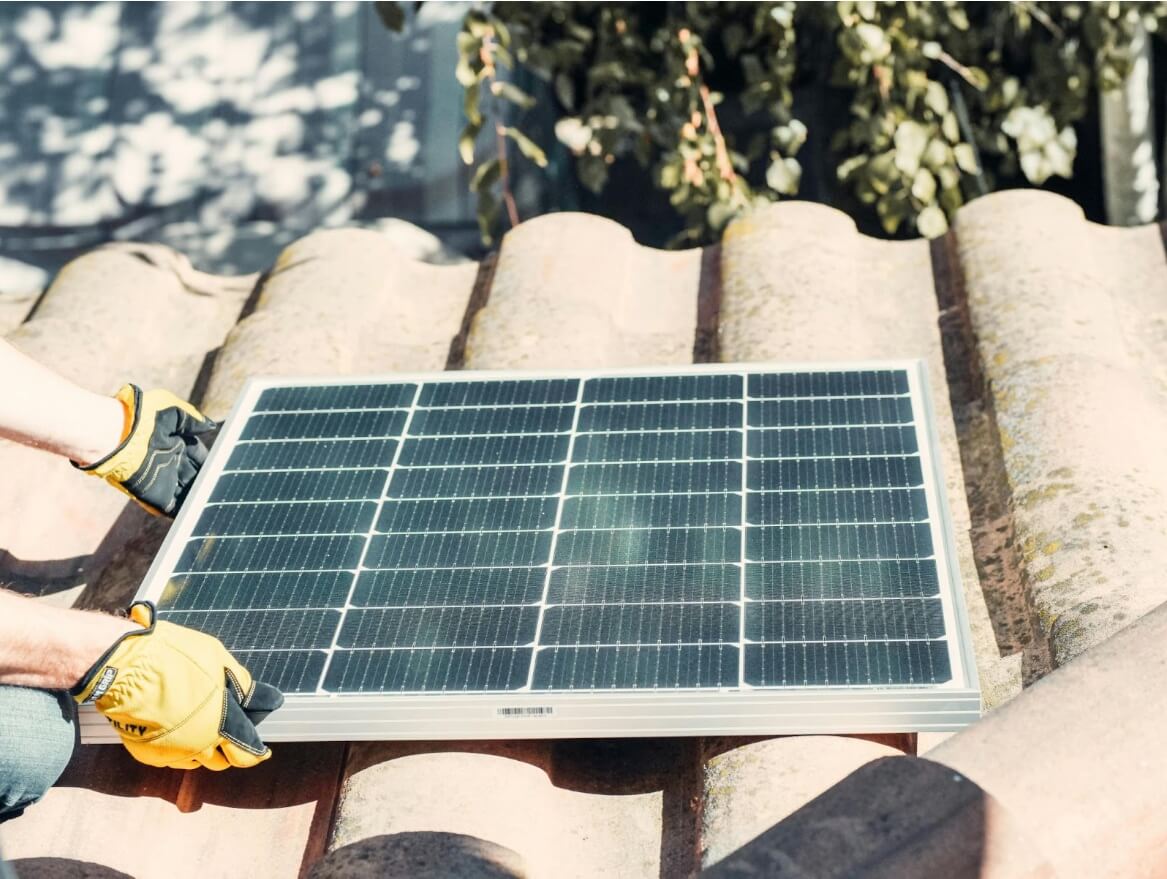
Solar panels have changed from being just a rare eco-friendly option to a smart money choice for UK homeowners. Energy bills are going up while solar panels are getting cheaper to install, making it a great time to get solar power. This guide looks at what solar panels cost now, how much money they can save you, and how long it takes to earn back what you spend on them across the UK.
Key Takeaways
- Solar panel costs have dropped significantly, now ranging from £5,700 for small systems to £12,200 for larger installations, with most UK homes achieving payback within 6-7 years.
- Government support includes 0% VAT until 2027 and payment schemes for excess electricity, while adding battery storage (£2,500-£10,000) increases self-consumption from 30% to 80%.
- Solar installations can increase property value by 6.2-6.8% (£14,000+ on average UK home) while reducing annual electricity bills by £765-£1,530 depending on system size.
How Much Do Solar Panels Cost in the UK?
The cost of solar panels has dropped significantly in recent years, making clean energy more accessible to UK households. Current pricing reflects both improved manufacturing efficiency and increased competition in the market.
For larger or smaller properties, costs vary accordingly:
| Property Size | System Size | System Cost (without battery) |
|---|---|---|
| 1-2 bedrooms | 3kW | £5,700 - £7,000 |
| 2-3 bedrooms | 4kW | £6,600 - £8,100 |
| 3-4 bedrooms | 5kW | £8,300 - £10,200 |
| 4+ bedrooms | 6kW | £10,000 - £12,200 |
Labour typically accounts for 25-30% of the total installation cost. Most installers charge around 20p per watt, meaning a 4kW system would include approximately £800 in labour costs for a standard installation.
Regional variations exist across the UK, with London and the South East generally commanding higher prices due to increased demand and higher living costs. The South West leads in household solar adoption, with approximately 8.5% of homes having installed solar panels.
What Affects the Price of Solar Panels?
Several factors influence the final cost of your solar panel system.
Panel Type and Efficiency
The type of solar panels you choose significantly impacts both performance and price:
| Type | Price per Watt | Efficiency | Features |
|---|---|---|---|
| Monocrystalline | £1 to £1.50 | 20%-26% | Higher efficiency, "black panels" commonly used in UK |
| Polycrystalline | £0.90 to £1 | 13%-20% | More affordable, blue appearance, durable |
| Thin-film | £0.75 | 7%-13% | Flexible, less efficient, cheaper |
Most UK installations use monocrystalline panels due to their superior efficiency in the British climate.
Roof Conditions and Installation Complexity
Your roof’s condition, orientation, and accessibility all affect installation costs. South-facing roofs capture maximum sunlight and typically deliver the best returns. Complex roof structures, difficult access, or fragile materials like slate require more specialised installation techniques, increasing labour costs.
Old wiring systems might need upgrades to accommodate solar panels, and some older roofs may require structural reinforcement to support the additional weight.
Additional Components
The solar panels themselves are just part of the system. Other components affect the final price:
- Solar inverters: Essential for converting DC power to usable AC electricity, costing around £800, with replacement needed every 10-12 years
- Mounting equipment: £100-£300 per panel, depending on roof type
- Solar batteries: £2,500-£10,000 based on capacity (optional but increasingly popular)
- Bird proofing: Up to £600 to prevent nesting and damage (optional)
Are Solar Batteries Worth the Investment?
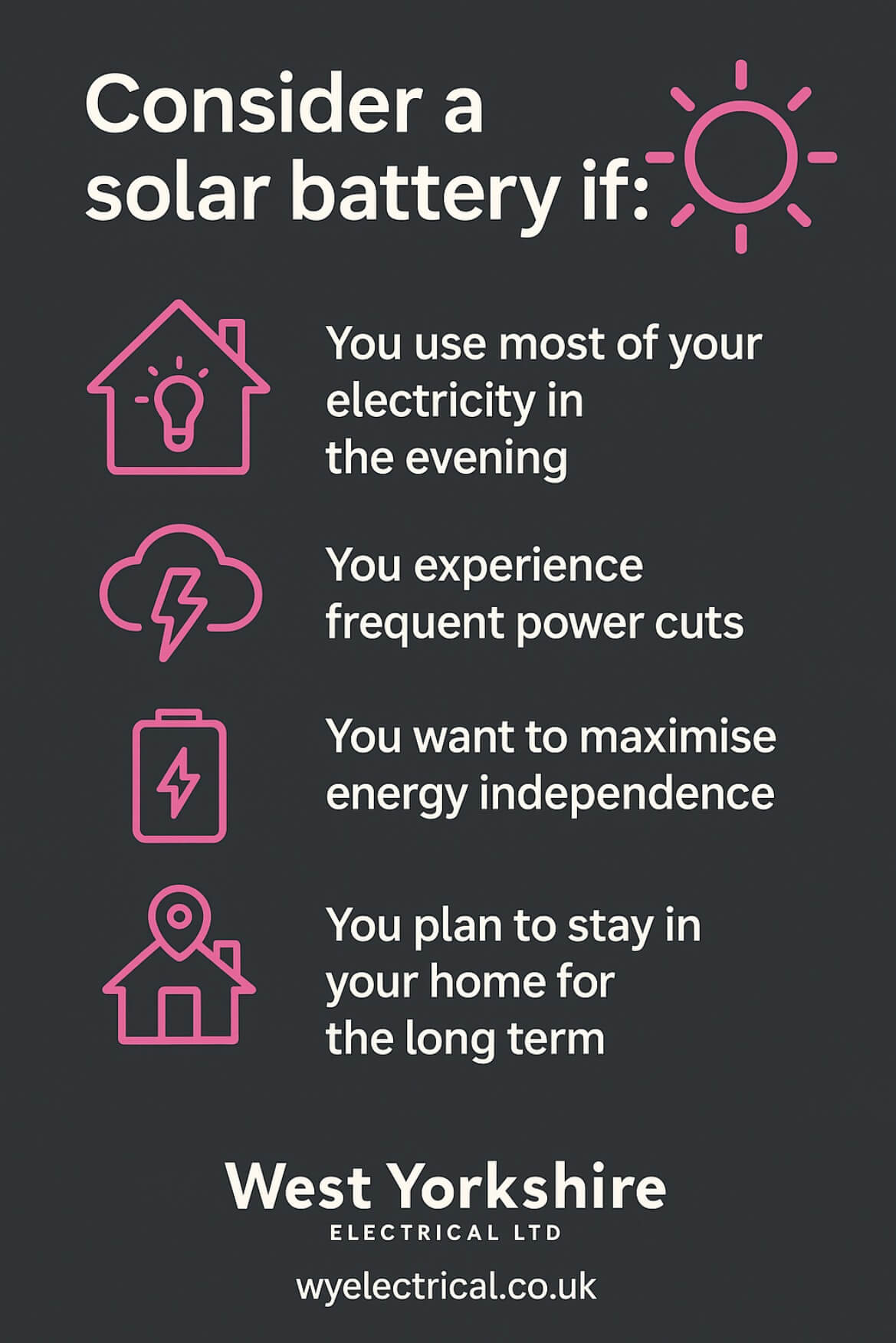
Adding battery storage to your solar system significantly increases the initial investment but can dramatically improve your energy independence.
A typical battery for a 4kW system (9-10 kWh capacity) costs around £3,700, bringing your total system cost to £14,900-£16,400.
Without battery storage, you’ll typically only use 25-30% of the electricity your panels generate, exporting the rest to the grid. Batteries allow you to store this excess energy for use when your panels aren’t producing electricity, increasing self-consumption to 70-80%.
This is particularly valuable during evening hours when household energy usage typically peaks, but solar production has stopped. Some smart batteries can even be programmed to charge during cheap rate periods and discharge during expensive periods if you’re on a time-of-use tariff.
The financial equation isn’t straightforward, though. Batteries typically extend your payback period from 6-7 years to 12-14 years. However, as electricity prices rise and battery costs continue to fall, this gap is narrowing.
Solar Payback Period in the UK
The time it takes to recoup your investment through energy savings varies based on system size, energy usage patterns, and whether you include battery storage.
For systems without batteries, the typical payback period is 6-7 years. Systems with batteries take longer to pay for themselves, typically 12-14 years.
Annual savings for a typical household with a 4kW system range from £765 to £1,274, depending on energy usage patterns. With SEG payments for excess electricity exported to the grid, this can increase to £1,232 or more.
Over a 25-year lifespan (the typical warranty period for most panels), a 4kW system can generate savings of approximately £31,841 after accounting for initial costs.
UK Government Incentives & Support
Several government schemes make solar installation more affordable:
VAT Relief
Solar panels, installation, and batteries currently benefit from 0% VAT (until March 2027), saving homeowners up to £3,000 on a typical system.
Smart Export Guarantee (SEG)
The SEG requires energy suppliers to pay homeowners for surplus electricity exported to the grid. Rates vary by supplier, from around 6p/kWh to as high as 30.31p/kWh with Octopus Energy’s Intelligent Octopus plan.
This can add £45-£80 to your annual savings, potentially increasing total energy savings to £660 or more.
Energy Company Obligation 4 (ECO4)
Running until March 2026, ECO4 can provide partially or fully funded solar panels to eligible households. You may qualify if your household income is below £31,000 or if someone in your home has a health condition worsened by cold.
Warm Homes Local Grant
From April 2025, this grant offers up to £15,000 for energy efficiency improvements to homes with energy performance ratings of D to G.
Solar Panel Savings – What to Expect
The financial benefits of solar panels come from three main sources:
- Reduced electricity bills by generating your own power
- Payments for exporting excess electricity to the grid
- Increased property value
Here’s what typical UK households can expect to save annually:
| Household Size | System Size | Annual Savings (without battery) | Annual Savings (with battery & SEG) |
|---|---|---|---|
| Small (1-2 bed) | 3 kW | £765 | £992 |
| Medium (2-3 bed) | 4 kW | £1,274 | £1,232 |
| Large (4+ bed) | 6 kW | £1,530 | £1,833 |
Beyond immediate savings, solar panels can increase your property’s value by 6.2-6.8%. For the average UK home, this represents an increase of £14,062-£16,368.
The Resolution Foundation’s research suggests that rooftop solar could lift 1.2 million people out of fuel poverty, reducing fuel-poor households’ energy bills by 24%.
Ready to Switch to Solar?
At WYE Electrical, we provide expert solar panel installations tailored to your home’s specific needs. Our professional team handles everything from initial survey to final connection, ensuring your system delivers maximum performance and savings.
Take control of your energy future today with our solar panel installation services. Contact us for a free, no-obligation quote and join thousands of UK homeowners already benefiting from clean, affordable solar energy.
FAQs
How many solar panels do I need for a 3-bedroom house?
A typical 3-bedroom house requires a 4-4.5kW system, which usually means 10-12 solar panels. This depends on your energy usage, roof space, and the efficiency of the panels you choose.
Do solar panels work well in winter in the UK?
Yes, solar panels still generate electricity in winter, though at reduced capacity. Modern panels work effectively in daylight, not just direct sunlight. Even on cloudy winter days, you’ll produce some electricity.
How long do solar inverters last?
Solar inverters typically last 10-12 years, less than the 25+ year lifespan of the panels themselves. Budget for at least one inverter replacement during your system’s lifetime, costing around £800-£2,000.
Can I finance solar panels in the UK?
Yes, various financing options exist, including solar-specific loans, remortgaging, and payment plans from installers. Interest rates typically range from 9.9-14.9% APR, though some providers offer 0% finance for limited periods.
Do solar panels add value to my home?
Absolutely. Research shows homes with solar panels sell for 6.2-6.8% more than comparable properties. This premium often exceeds the installation cost, making solar panels a sound property investment.
What maintenance do solar panels require?
Solar panels need minimal maintenance. Occasional cleaning (1-2 times per year) keeps them operating efficiently. Most systems include monitoring to alert you to any performance issues. Annual professional checks cost £100-£200 but aren’t strictly necessary.
