
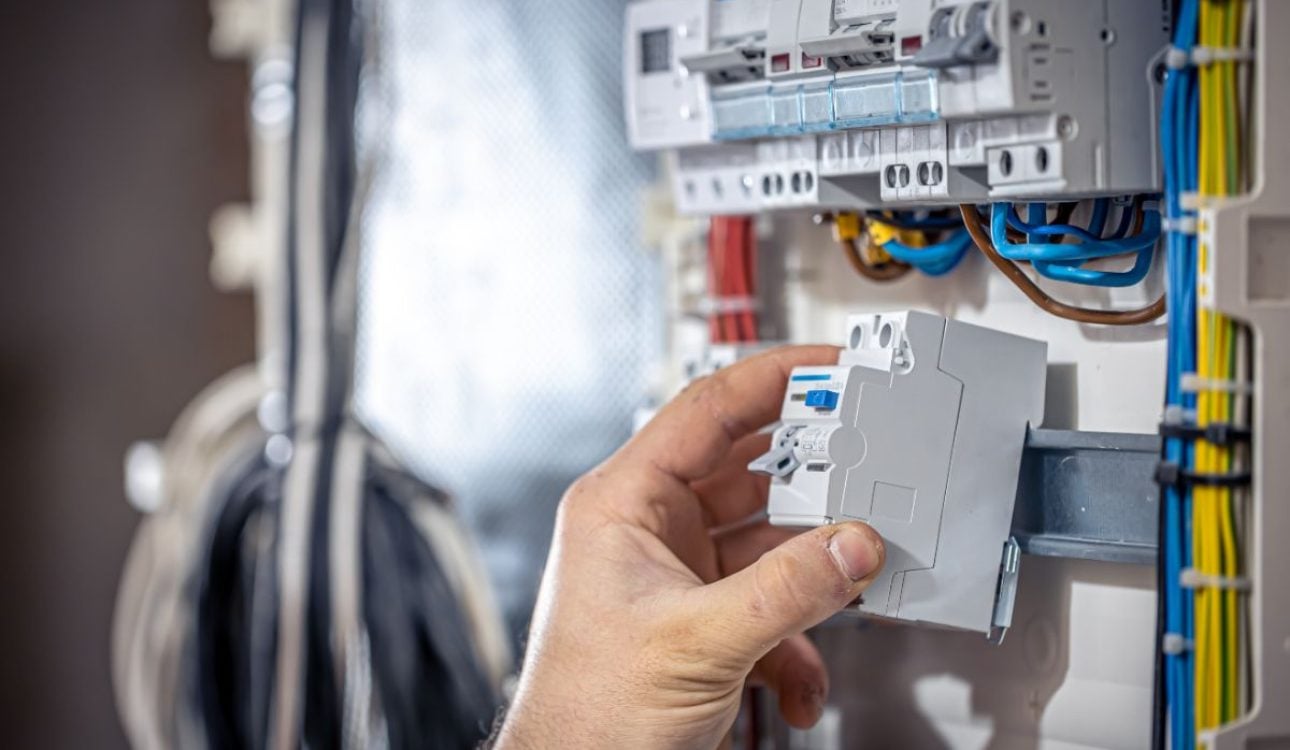

When it comes to ensuring the safety of your property, an Electrical Installation Condition Report (EICR) is an essential step. Whether you’re a homeowner, landlord, or managing a commercial property, an EICR helps identify any potential issues in your electrical system and ensures compliance with safety regulations.
We understand that finding the right pricing can feel overwhelming, so we’ve made it easy. With our unique online calculator, you can get a tailored quote for your electrical safety check in minutes, no calls or waiting required.
Key Takeaways
- Save time: Use our online calculator for an instant, personalised quote.
- Protect your property: Ensure your electrical appliances and wiring are safe and compliant.
- Stay compliant: For landlords, an EICR is a legal requirement to avoid fines and ensure tenant safety.
Get an Instant EICR Quote with Our Online Calculator
We know that figuring out the cost of an electrical safety check can be a hassle. That’s why we’ve created our online EICR cost calculator—a quick and easy way to get a personalised quote without waiting for callbacks or site visits.
All you need to do is:
- Select your region: Simply choose where your property is located.
- Input your property details: Simply select the size of your home
- Get your quote instantly: No waiting, no stress, see your EICR cost in seconds.
With just a few clicks, you’ll know exactly how much your electrical safety check will cost, saving you time and giving you total transparency. Whether it’s for a domestic property or a commercial property, our calculator makes pricing simple.
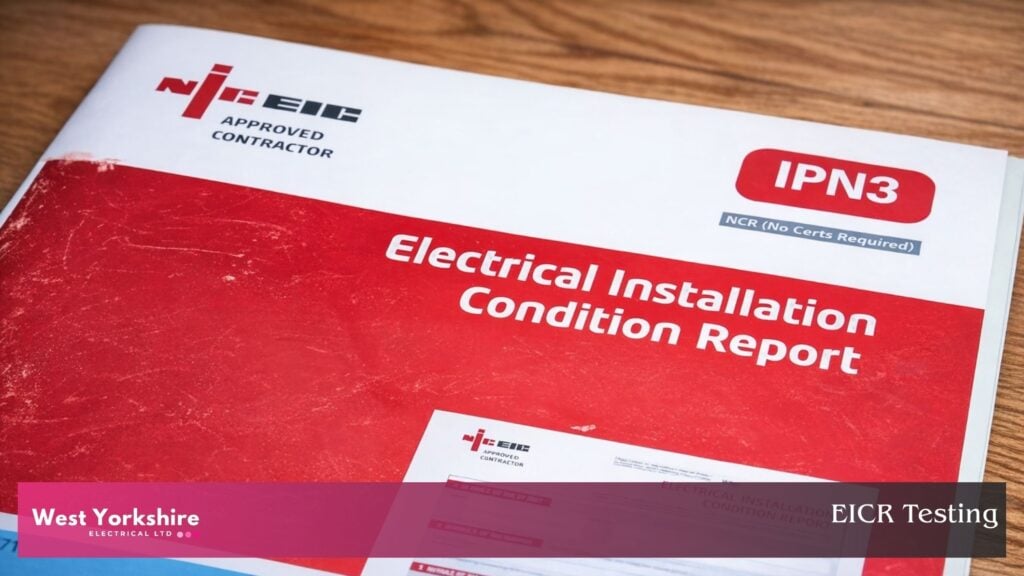
What Is an EICR and Do You Need One?
An EICR is the report produced after inspecting and testing an existing electrical installation. It covers fixed wiring, sockets, consumer units, and circuits. Solar panels and battery storage get checked too.
This is not a new installation certificate. It checks what you already have.
For Landlords
You need an EICR because the law says so.
According to official guidance for private and social rented sectors, landlords must arrange inspections every five years. They must share reports within 28 days and complete repairs within the stated timeframe.
Wales and Scotland have similar rules. The timings differ slightly.
For Homeowners and Buyers
Safety matters even when the law does not force you. An EICR gives peace of mind. It catches dangerous faults before they cause fires or injuries.
An EICR is a formal electrical safety check carried out by a qualified electrician. It assesses wiring, sockets, and fixed systems to confirm they are safe. The inspection identifies wear, damage, and faults that could lead to shocks or fire risks. It highlights issues that need repair or further investigation.
A report is issued after testing, showing whether the installation is safe or not. It also sets a timeline for fixes and the next inspection.
Landlords must carry out checks at least every five years in rented properties. They must also share the report with tenants within a set timeframe.
Regular testing helps catch hidden problems early and keeps the property compliant. It reduces the risk of failures and costly repairs later.
How Much Does an EICR Cost in 2026?
EICR costs in 2026 are not fixed. They depend on your property size, number of circuits, and location. However, there are clear real-world price ranges you can expect.
For most UK homes, an electrical safety check typically costs between £120 and £350, with smaller flats at the lower end and larger properties costing more.
An EICR cost mainly covers the electrician’s time and expertise. During the inspection, they:
- Test all circuits, sockets, and wiring
- Check the consumer unit (fuse board)
- Identify safety risks like shocks or fire hazards
- Provide a formal report with results
If faults are found (C1, C2, or FI issues), you’ll need additional work, which is charged separately. That’s why quotes can look very different, even for similar properties.
What Affects the Cost of an EICR?
There’s no fixed price for an EICR because every property is different. The final cost mainly depends on how long the inspection takes and whether any faults are found.
Property Size and Circuits
Larger properties have more circuits to test, which takes more time. A small flat may have 5–6 circuits, while bigger homes can have 12 or more.
Location and Access
Prices vary by region, with London and the South East typically higher. Difficult access to wiring or the consumer unit can also increase the time and cost.
Faults and Remedial Work
The inspection fee only covers testing. If issues are found (C1, C2, or FI), repairs are charged separately.
You can see the typical price drivers and what they mean for your bill:
| Factor | Impact on Cost | Why It Matters |
|---|---|---|
| Property size | Larger homes cost more | More circuits to test means more labour hours |
| Region | London and South East higher | Travel, wages, and overheads vary by location |
| Remedial work | Can double the bill | Fixing faults found costs extra beyond inspection |
| Access issues | Adds time charges | Hard-to-reach panels or unusual layouts slow work |
These variables explain why a fixed national price does not exist. Your property determines the final figure. Your specific situation matters too.
What Happens If the Report Is Unsatisfactory
An unsatisfactory EICR means faults need fixing. In England, landlords must complete remedial or further investigative work within 28 days. Sometimes the report says danger is present. Action must happen sooner then.
Tenants receive the report within 28 days of inspection in England. Wales requires 14 days. Scotland expects compliance under the Repairing Standard. Similar timelines apply there.
You cannot ignore the findings. The law requires action. Serious faults create real fire and shock risks.
Research published in 2024 shows that electrical supply faults caused over half of domestic fire injuries in a major UK city between 2011 and 2022. Most incidents occurred at night. Occupants were asleep and unable to respond quickly.
Fixing problems costs money. Leaving them alone costs more.
What is the difference between an EICR and an Electrical Installation Certificate?
An Electrical Installation Condition Report (EICR) is an inspection that assesses the safety of electrical systems in a property. It identifies any faulty wiring, outdated components, or potentially dangerous issues that need fixing.
An Electrical Installation Certificate (EIC), on the other hand, is issued when new electrical installations are completed, confirming they meet electrical safety regulations. If you have an EIC for a full house rewire, you may not need an EICR for five years.
How much does a commercial EICR cost?
The cost of a commercial EICR depends on the size of the property and the number of electrical circuits that need testing. Pricing is typically calculated per circuit, ranging from £30 to £50 per circuit. Large commercial properties with complex electrical systems will generally have a higher EICR certificate cost due to the time required for inspection and electrical tests.
Do landlords legally need an EICR and an electrical safety certificate?
Yes, landlords are required by law to obtain a landlord electrical safety certificate in the form of an EICR every five years or at the start of a new tenancy. This applies to rental properties across the UK, ensuring tenants remain safe from faulty appliances, outdated wiring, or dangerous electrical arcs. Failure to comply can result in fines of up to £30,000 and invalidated landlord insurance.
What happens if an EICR fails?
If your EICR inspection identifies issues such as faulty wiring, overloaded circuits, or non-compliant fuse boards, your report will classify them based on severity:
- C1 (Immediate Danger) – Requires urgent remedial work to prevent risk of electric shock or fire.
- C2 (Potentially Dangerous) – Issues should be resolved quickly to meet electrical safety regulations.
C3 (Improvement Recommended) – Not legally required but suggested for long-term safety and compliance.
A further investigation may be needed if the electrical problem is not immediately clear.
Do I need PAT testing along with an EICR?
For domestic properties, portable appliance testing (PAT testing) is not legally required, but landlords and businesses should test electrical equipment used by tenants or employees. While an EICR test checks the overall safety of electrical installations, PAT testing ensures that portable items like kettles, microwaves, and laptops meet electricity safety check standards.
How can I save money on an electrical safety check?
One of the easiest ways to save money on an EICR report is by using our online calculator to get a transparent quote based on your property size. Unlike traditional methods where you wait for a callout, our calculator gives you an instant price so you know exactly what to expect. Regular electrical checks can also help prevent costly remedial work in the future by catching problems early.
Conclusion
EICR pricing makes sense when you see the base inspection fee and likely extras separately. Our calculator gives you an instant quote. You know where you stand before booking. Ready to get started? Contact us to book your electrical safety check and ensure your property meets current regulations safely.
