
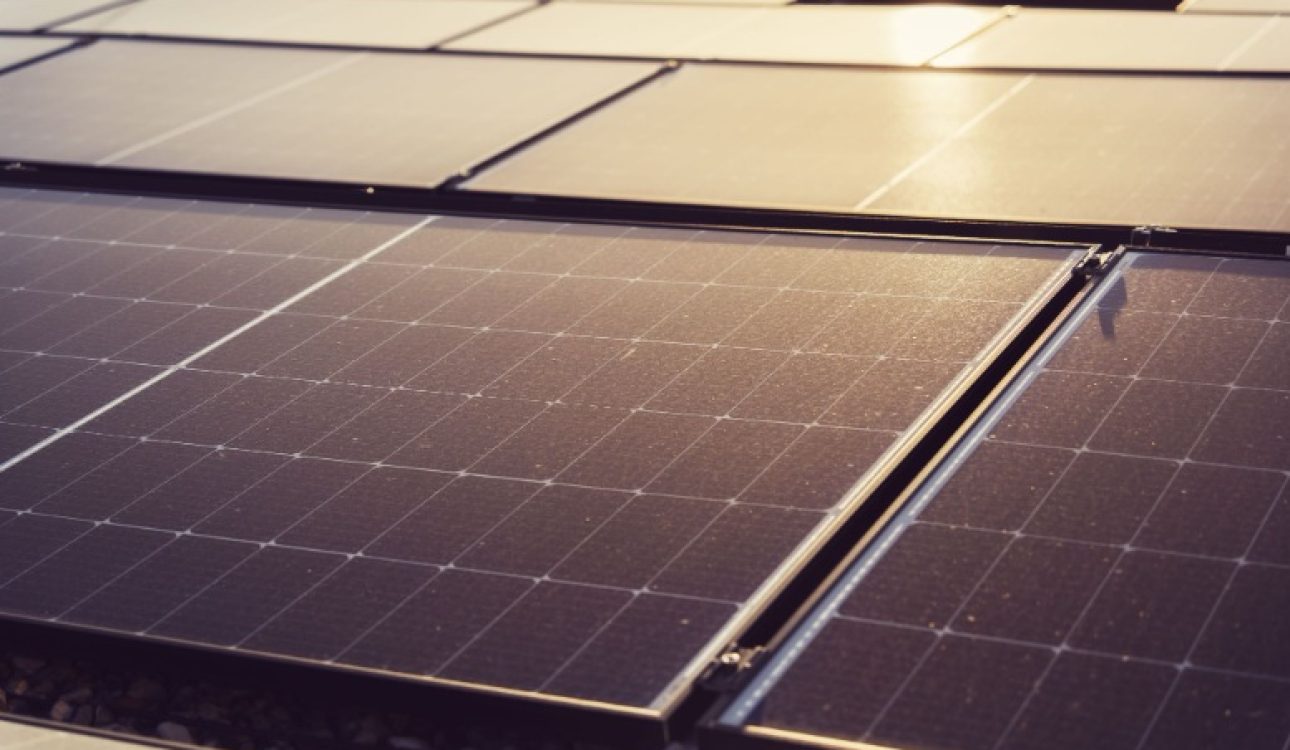

A typical 4kW UK solar system generates around 16 to 20 kWh per day and 480 to 600 kWh per month during summer. Actual output depends on system size, roof orientation, location, and shading.
Summer is the most productive season for solar panels in the UK. Longer daylight hours and stronger sunlight allow panels to generate more electricity each day, resulting in much higher output than during spring, autumn, or winter. Very hot weather can slightly reduce panel efficiency, but longer periods of usable sunlight more than offset this effect.
Key Takeaways
- Summer output is driven by longer daylight hours and stronger sunlight, not panel temperature.
- A standard UK solar system generates far more electricity in summer than in winter.
- Excess summer generation can be used directly, exported to the grid for payment, or stored in a battery.
Why Do Solar Panels Generate More Electricity in Summer?
Solar panels generate more electricity in summer because the UK receives longer daylight hours and stronger sunlight. The sun rises earlier, sets later, and reaches a higher position in the sky, allowing your panels to capture more solar energy for more hours each day. This combination increases daily electricity generation, even though very high panel temperatures can slightly reduce efficiency.
The difference is clear when compared with winter. Shorter days and a lower sun angle mean panels receive far fewer hours of usable sunlight, so they naturally generate less electricity.
In fact, 2025 was the UK’s sunniest year on record, with 1,648.5 hours of sunshine nationwide. All three summer months recorded above average sunshine. Those extra sunshine hours helped drive higher solar generation across the UK.
How Much Electricity Can Solar Panels Generate in Summer?
Actual generation varies between homes. But expected daily and monthly output can be estimated using system size alongside the main factors that influence summer performance.
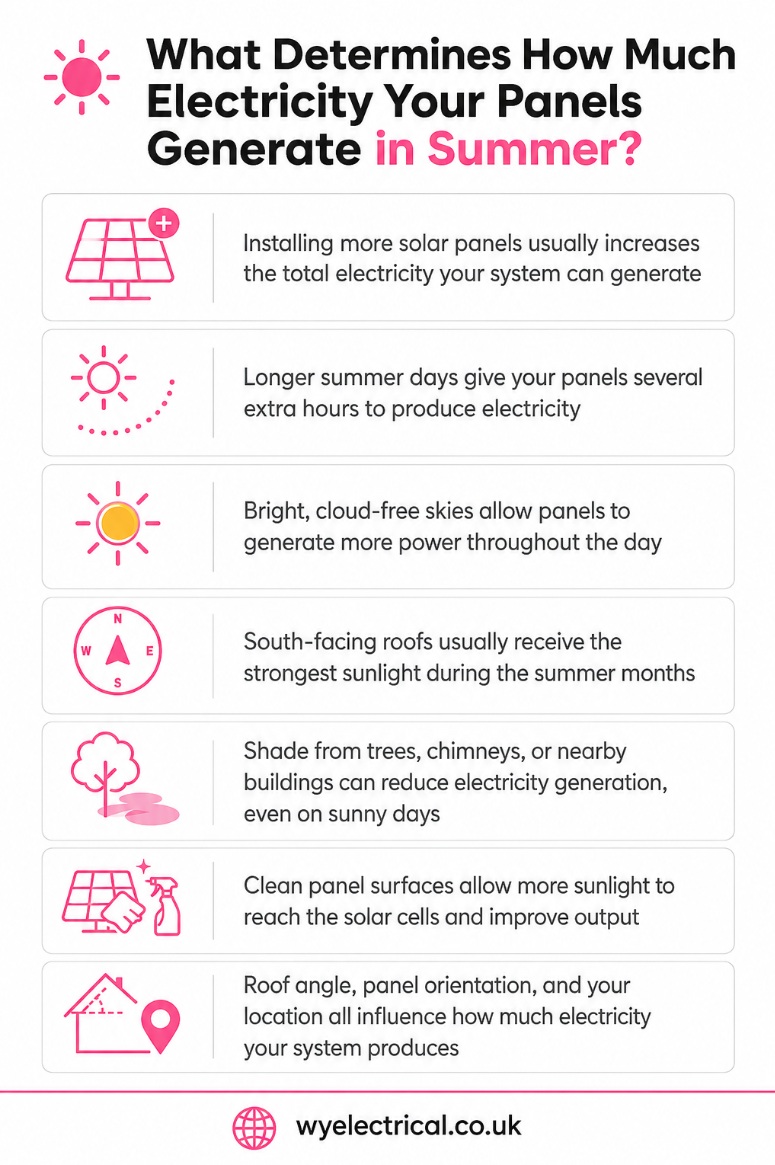
What Affects Summer Solar Output
No two solar PV systems generate exactly the same amount of electricity during summer. Several factors influence how much power your system can produce. These include system size, roof orientation, roof pitch, shading, your location, and the number of sunshine hours your area receives.
Weather also plays an important role. The University of Sheffield’s PV_Live data shows that solar generation varies between regions and from one day to the next as sunshine levels change.
Average Daily Electricity Generation
A standard UK domestic solar system in the 3 to 5kW range typically generates between 12 and 25 kWh per day during the summer months.
A 4kW system, which is probably the most common size installed on UK homes, tends to sit in the 16 to 20 kWh per day range on a good summer day.
Average Monthly Electricity Generation
Over a full summer month, that adds up quickly. A 4kW system can produce 480 to 600 kWh in a single month, which is often more than a typical household uses in that same period. The national picture reflects this too.
Solar supplied a record UK solar generation share in 2025, accounting for 6.3% of all UK electricity, a 30% jump on the year before.
Peak Summer Solar Generation
June and July are the standout months. They combine the longest days of the year with the highest solar irradiance levels. Which means panels are receiving both more hours of light and more intense light at the same time.
If your system is going to impress you, it will almost certainly do it in June or July.
How System Size Affects Summer Output
The relationship between system size and output is fairly straightforward. A larger system generates more electricity, roughly in proportion to its capacity. A 6kW system will produce about twice as much as a 3kW system under the same conditions. That said, your roof space and budget will naturally set the practical limit on what size works for your home.
If you are thinking about getting panels fitted, our solar panel installation service covers everything from initial assessment to completed installation, tailored to your roof.
| System Size | Estimated Daily Summer Output | Estimated Monthly Summer Output |
|---|---|---|
| 3kW | 12–15 kWh | 360–450 kWh |
| 4kW | 16–20 kWh | 480–600 kWh |
| 5kW | 20–25 kWh | 600–750 kWh |
| 6kW+ | 24–30+ kWh | 720–900+ kWh |
Even systems of the same size can produce different amounts of electricity during summer. Installation quality, local weather conditions, and the characteristics of your roof all influence the final output.
What Affects Solar Panel Output During Summer?
System size sets the ceiling, but several other factors determine whether your system actually hits that ceiling in practice. Getting these right makes a real difference to how much electricity your panels produce day to day.
Roof Orientation and Pitch
South-facing roofs at a pitch of around 30 to 35 degrees are the sweet spot for UK solar. That combination captures the most sunlight throughout the day. East or west-facing roofs still generate useful amounts, but you will see a reduction compared to a true south-facing setup.
Shading from Trees, Chimneys and Neighbouring Buildings
Even a small shadow falling on part of your panels during peak hours can drag down your overall output noticeably. This matters more than many people realise.
A shadow from a chimney stack that only covers one panel for a couple of hours can affect the performance of the whole string in some system configurations.
Panel Efficiency and System Size
Higher-efficiency panels convert more sunlight into electricity for the same physical area. The technology you choose, combined with the total number of panels installed, sets the maximum output your system can ever achieve regardless of how good the conditions are.
Your Location Within the UK
Where you live also affects how much electricity your solar panels generate. The UK is divided into 21 irradiance zones under the UK solar irradiance zone methodology used by MCS certified installers.
These zones estimate the amount of sunlight different parts of the country receive. Southern and eastern England generally receive more solar irradiance than Scotland and Northern Ireland.
As a result, homes in those areas typically achieve higher annual and summer solar yields.
Weather Conditions and Cloud Cover
Cloud cover reduces the intensity of sunlight reaching your panels, which lowers output even on warm days. A hot but overcast July day will produce less electricity than a cooler but clear one.
It is the light that does the work, not the heat.
What Happens to Excess Electricity Generated?
During summer, solar panels often generate more electricity than your home uses at certain times of the day. Rather than letting that extra energy go unused, you have several practical ways to get more value from every kilowatt hour your system produces.
You can make use of surplus summer generation by:
- Running more appliances during daylight hours
- Exporting unused electricity to the national grid
- Storing surplus energy in a solar battery
If you choose to export electricity, payments are available through the Smart Export Guarantee. Under Ofgem’s Smart Export Guarantee guidance, licensed suppliers must offer export tariffs to eligible solar generators, although payment rates vary between suppliers.
If you would rather keep that surplus for later use, a solar battery is often the better option.
Our battery storage installation service can be tailored to work alongside your solar PV system, allowing you to use more of the electricity you generate after the sun goes down.
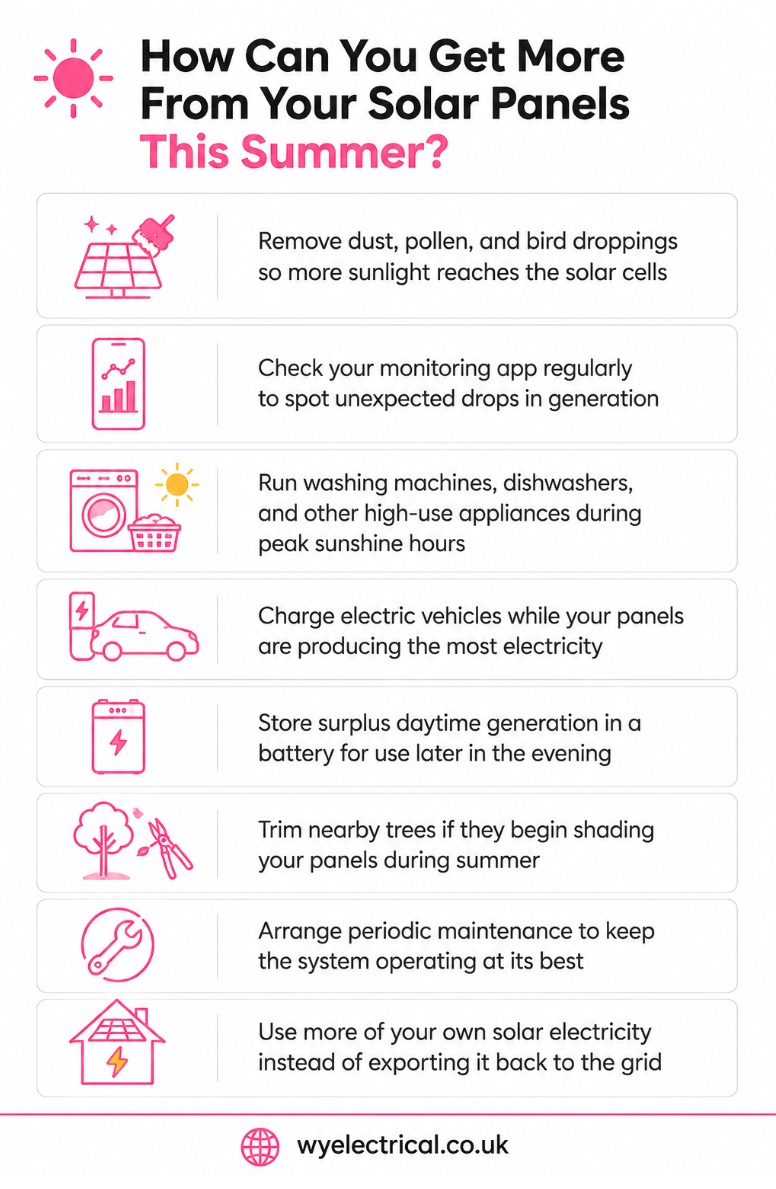
How Can You Maximise Summer Solar Generation?
Even a well-designed solar PV system needs the right conditions and habits to perform at its best. Small improvements to maintenance, electricity usage, and system management can help you capture more of the electricity your panels generate throughout the summer.
How Does Summer Compare With Other Seasons?
Summer delivers the highest solar electricity generation of any season in the UK. Longer daylight hours and stronger solar irradiance allow panels to produce far more electricity than at any other time of year.
Spring usually provides the second highest output, while generation gradually falls through autumn as daylight hours shorten. Winter produces the least electricity because days are shorter and the sun remains lower in the sky.
Solar panels continue generating electricity throughout the year.
Even in winter, they can produce useful amounts of power on bright, clear days. The difference is that seasonal weather and daylight hours determine how much electricity your system generates.
FAQs
How much electricity does a 4kW solar panel system generate in summer?
A 4kW system typically generates 16 to 20 kWh per day and 480 to 600 kWh per month during summer, depending on roof orientation, location, and sunshine hours.
Do solar panels still work on cloudy summer days?
Yes. Panels generate electricity from daylight, not direct sunshine. Output is lower on overcast days, but generation does not stop.
Can solar panels generate more electricity than I use?
During summer, yes. Many households find their system produces more than they consume during daylight hours, particularly in June and July.
Is summer the best time to install solar panels?
Any time of year works for installation. However, installing before summer means your system is ready to capture the highest-output months from day one.
Should I install a solar battery to store excess energy?
If your system regularly generates more than you use during the day, a battery is a practical way to make use of that surplus rather than simply exporting it.
How much can I save on electricity bills during summer?
Savings depend on your system size, electricity use, and tariff. Using more of your solar electricity during the day can significantly reduce your summer electricity bills.
Conclusion
Summer offers the highest solar electricity generation of the year, making it the best time to maximise the value of a solar PV system. We provide free home surveys, tailored system designs, MCS-certified solar PV installation, and optional battery storage and EV charger integration.
Get in touch for a free quote and find out how much your roof could generate.
