
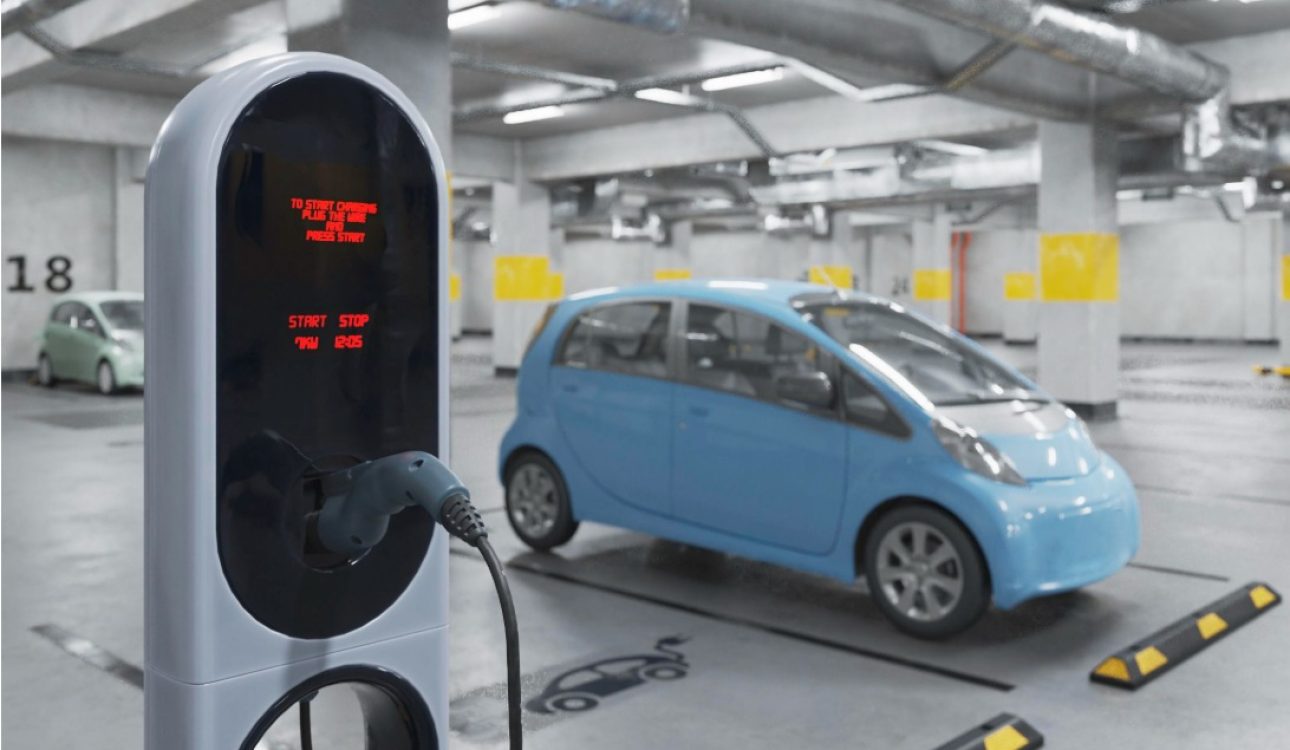

Landlords can install EV chargers at rental properties. You need off-street parking, an OZEV-approved installer, and compliance with BS 7671. Grants of up to £500 per socket are available.
For landlords, installing an EV charger can be a practical property upgrade rather than an unnecessary extra. But the decision depends on whether the property can support safe, convenient charging in the first place. Parking arrangements, electrical capacity and installation permissions can all affect what is possible. The right setup can also make a rental property more appealing to EV-driving tenants.
Key Takeaways
- Landlords can claim up to 75% of installation costs through the EV Chargepoint Grant, capped at £500 per socket.
- Off-street parking is essential. Without it, a private home chargepoint simply is not practical.
- EV charger installation is notifiable electrical work. It must comply with BS 7671 and Building Regulations.
Can Landlords Install EV Chargers at Rental Properties?
Yes. Landlords can install EV chargers at rental properties, provided the installation is safe and meets the required rules. The charger should be installed by a suitably qualified installer, and the property’s electrical system must be able to handle the extra load.
The main electrical rules come from BS 7671, which sets the safety requirements for electrical installations. EV chargers must also follow BS EN 61851, the standard covering EV charging equipment, and the IET’s Code of Practice for EV charging installations. In simple terms, these rules are there to make sure the charger, wiring, earthing and protection are installed safely.
There are also Building Regulations to consider. In England, Part S sets requirements for EV charging points and cable routes in certain building projects. Electrical safety requirements can also apply to the installation, including Part P for domestic electrical work.
New private chargepoints in Great Britain must also meet the Electric Vehicles (Smart Charge Points) Regulations 2021. These rules require features such as smart charging, off-peak charging settings, basic energy monitoring and cybersecurity protections. They have applied to relevant chargepoints sold since 30 June 2022.
Which Rental Properties Are Suitable for EV Charger Installation?
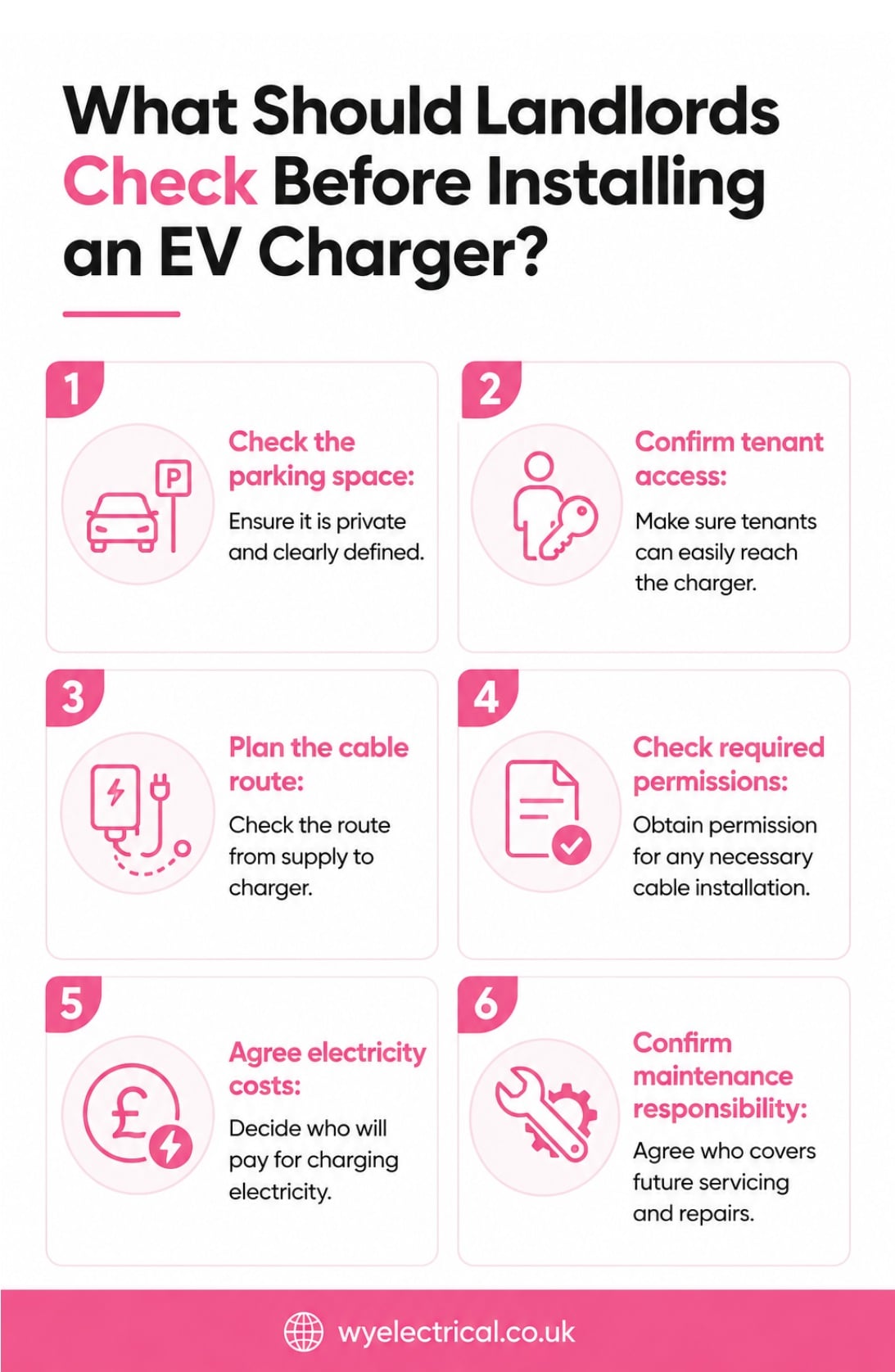
A rental property needs suitable parking for an EV charger. Ideally, the tenant should have a dedicated off-street parking space. The space should be close enough to the property for a safe cable connection.
A driveway, garage or allocated parking bay can work well. The parking space must be safe to use while the vehicle is charging. It should not create a trip hazard or block a footpath.
According to research on UK off-street parking access by the RAC Foundation, around 65% of Great Britain’s 27.6 million households have, or could have, enough off-street parking for at least one vehicle. However, access varies widely by location. It is much lower in places such as Westminster and the City of London, while some rural areas have access rates above 80%.
Flats and shared parking can also be suitable. The tenant should have an allocated space. The landlord must also be able to route the cable safely and legally.
Properties with only unrestricted on-street parking are more difficult. A private charger needs to serve a vehicle parked at the property. You also cannot run charging cables across a public footway.
EV Charger Installation Requirements for Rental Properties
Getting the installation right is not just about picking a charger and booking someone to fit it. There are specific requirements that affect whether the installation is legal, safe and eligible for a grant.
Off-Street Parking Requirements
A dedicated parking space for the tenant’s use is a baseline requirement. As the RAC Foundation data shows, not every property has this available, so it is worth confirming the parking situation before anything else.
Electrical Capacity and Consumer Unit Requirements
The existing consumer unit may need upgrading, or a dedicated circuit may be required to support the charger. In some cases, the additional electrical load triggers a notification to the Distribution Network Operator (DNO), or even a supply upgrade. Both can affect the overall cost and timeline of the project.
OZEV-Approved Chargepoints
The chargepoint unit and the installer both need to be OZEV-approved. This is not just a recommendation. It is a requirement if you want to access government grant funding. And it also ensures the equipment meets the technical standards set by the Office for Zero Emission Vehicles.
If your property is due for its five-yearly check, our EICR testing for landlords service can cover both the inspection and any remedial work needed before installation.
| Requirement | What It Involves |
|---|---|
| Off-street parking | Dedicated space for tenant's use |
| Electrical capacity | May require consumer unit upgrade or DNO notification |
| Installer/equipment | Must be OZEV-approved for grant eligibility |
| Building Regulations | Notifiable electrical work, compliance certificate required |
| Wiring standard | Must comply with BS 7671, Section 722 |
EV Charger Grants for Landlords
The good news is that landlords do not have to cover the full cost of installation themselves. There are two government-backed grants available, and the savings can be significant.
Who Is Eligible for the EV Chargepoint Grant
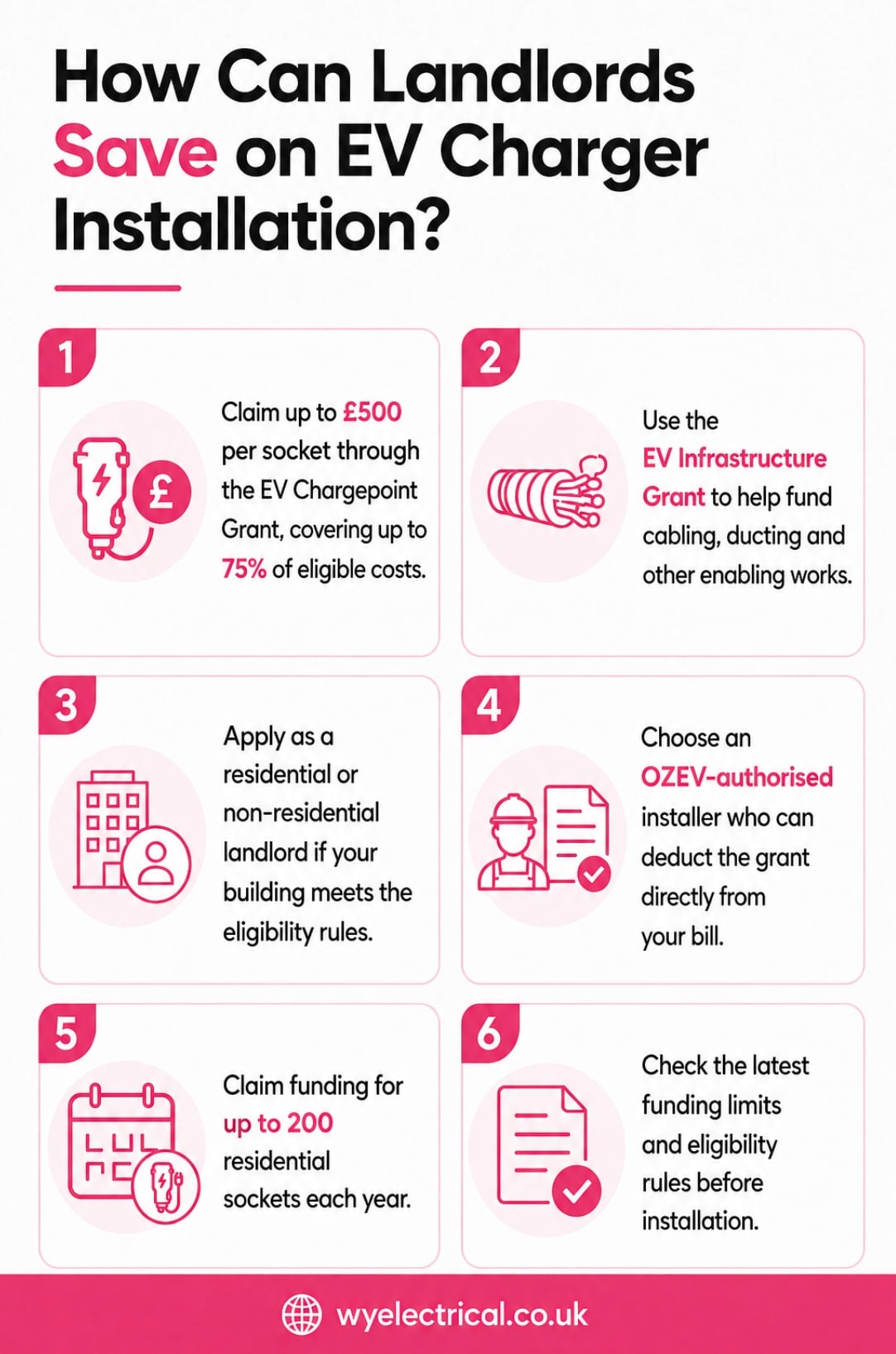
Both residential landlords and non-resident building owners can apply for the EV Chargepoint Grant. This includes social housing providers. Applicants must meet the scheme’s eligibility requirements and annual application limits.
The scheme was introduced by the Office for Zero Emission Vehicles (OZEV) in April 2022. It was designed to support EV charging in rental properties and apartment blocks.
According to the Energy Saving Trust, eligible applicants can receive funding towards the cost of purchasing and installing EV chargepoints. The grant can cover up to 75% of the cost, with a maximum of £350 per socket.
The scheme also provides additional support for eligible apartment blocks. Building owners can receive up to £30,000 per building, subject to the scheme’s conditions and application limits.
How Much Funding Is Available
The EV Chargepoint Grant covers 75% of the cost to buy and install a chargepoint socket, up to £500 per socket. Separately, the EV Infrastructure Grant covers 75% of the wider enabling works needed to support multiple future sockets (up to a maximum of £30,000 per property).
What Does the Grant Cover
The Chargepoint Grant applies to the socket itself. The Infrastructure Grant covers the supporting work, such as cabling, ducting and posts, that makes it possible to add more sockets later without starting from scratch. The installer applies the grant directly against the invoice, so there is no separate claim process for landlords.
Grant Limits and Eligibility Requirements
The grant has clear limits on how much landlords can claim. According to the UK government’s Find a Grant service, residential landlords can receive funding for up to 200 chargepoint sockets each year. The grant covers 75% of purchase and installation costs, up to £500 per socket. Funding is currently confirmed until 31 March 2027. So you need to always check the latest government guidance before applying.
How to Apply for an EV Chargepoint Grant
You do not need to manage the grant application yourself. An OZEV-authorised installer can check your eligibility, submit the application and apply the approved funding to your installation costs. The process works as follows.
- Check your eligibility: Make sure your property, parking space and planned installation meet the current grant requirements.
- Choose an authorised installer: Find an OZEV-authorised installer who can confirm that your installation qualifies.
- Provide your information: Give the installer the required details about you, the property and the parking space.
- Apply for the grant: Your installer will submit the application and handle the grant process on your behalf.
- Complete the installation: Once the grant requirements are confirmed, the installer can carry out the work.
- Keep the paperwork: After installation, keep your invoice and compliance documents. Your installer should also notify Building Control where required.
Our EV charger installation for landlords service can handle the process from site assessment through to installation and grant application support.
How Much Does EV Charger Installation Cost for Rental Properties?
Costs vary depending on the property and what work is involved. But there is a useful baseline to work from before any grant is applied.
Typical Installation Costs
A standard 7kW smart chargepoint with a straightforward cable run typically costs between £700 and £1,200 including installation. That is the starting point for most straightforward domestic rental properties.
Factors That Affect Installation Costs
Several factors can increase the cost of installing an EV chargepoint. The final price depends on the property, the distance to the parking space and the electrical work required.
- Consumer unit upgrades: An older or unsuitable consumer unit may need upgrading before the charger can be installed.
- Long cable runs: More cable and additional labour are needed when the parking space is far from the meter or consumer unit.
- DNO requirements: A notification or electricity supply upgrade may be needed if the existing supply cannot support the charger.
- Multiple chargepoints: Installing several sockets across an apartment block requires more equipment, cabling and installation time.
These factors can add both material and labour costs, so a site assessment is useful for getting an accurate installation price.
Installation Costs After Applying the Grant
The grant can make a noticeable difference to what a landlord actually pays for an EV chargepoint. If the installation qualifies for the 75% contribution, the grant covers part of the eligible cost and the landlord pays the remaining amount.
For example, a £1,000 eligible installation could receive £750 in funding, leaving £250 to pay. Your final cost will depend on the installation price and the grant cap.
Who Pays for an EV Charger in a Rental Property?
Who pays for an EV charger depends on who requests the installation and which grant route applies. The main arrangements are:
- The landlord usually pays when the charger is installed as a property improvement.
- A grant may reduce the landlord’s installation costs if the work qualifies.
- The tenant may pay when they request the installation and receive the landlord’s written consent.
- The tenant normally pays for the electricity used to charge their vehicle.
- The tenancy agreement should clearly state who handles maintenance and ongoing costs.
The person paying for the installation should also confirm the grant terms before work begins. This avoids unexpected costs or disputes over responsibility later.
Which EV Charger Is Best for a Rental Property?
Choosing the right unit makes a real difference, both for tenants and for ongoing maintenance between tenancies. There are a few things worth thinking through before committing:
7kW vs 22kW EV Chargers
A 7kW charger is the standard choice for most domestic rental properties. It uses a single-phase supply and is suitable for the majority of residential settings. A 22kW unit charges faster but requires a three-phase supply, which is less common in residential properties. For most landlords, 7kW is the practical choice.
Tethered vs Untethered Chargers
A tethered charger has a cable permanently attached to the unit. For rental properties, this is generally the better option. It removes the risk of a portable cable being lost, damaged or left behind when a tenant moves out. Less hassle between tenancies.
Smart Charging Features
Smart functionality is not optional. All new domestic chargepoints sold in Great Britain since 30 June 2022 must comply with the Electric Vehicles (Smart Charge Points) Regulations 2021. This includes pre-configured off-peak charging schedules and security measures such as tamper detection. When you buy a compliant unit from an OZEV-approved installer, this is already built in.
Ease of Maintenance and Support
It is worth choosing a charger from a manufacturer that offers reliable after-sales support, a clear warranty, accessible replacement parts and straightforward fault diagnosis. When something goes wrong mid-tenancy, you want it fixed quickly. A unit with poor support or discontinued parts can turn a minor fault into a prolonged problem.
FAQs
Can landlords claim an EV charger grant?
Yes. Both residential and commercial landlords are eligible for the EV Chargepoint Grant, subject to annual limits and eligibility criteria.
How much is the EV Chargepoint Grant?
The grant covers 75% of the cost to buy and install a chargepoint socket, up to £500 per socket.
Can tenants request an EV charger?
Yes, but they need written consent from the landlord before applying for a grant or arranging installation.
Does a rental property need off-street parking for an EV charger?
Yes. A dedicated off-street parking space for the tenant’s use is a practical requirement for a private home chargepoint.
Can EV chargers be installed at blocks of flats?
Yes, subject to allocated parking, cabling rights and landlord permissions. The EV Infrastructure Grant may apply where multiple sockets are needed across a shared car park.
Conclusion
EV charger installation can benefit landlords with suitable properties. Consider parking, electrical requirements, grants, installation costs and ongoing responsibilities. Keep clear records and confirm current eligibility before starting work. Grant rules can change, so always check the latest requirements before commissioning an installation.
If you are ready to arrange an EV charger installation for your rental property, we can provide a free site survey and an OZEV-authorised installation. Get your free quote today.
