
England Driveway EV Charger Rules: What Homeowners Need to Know in 2026
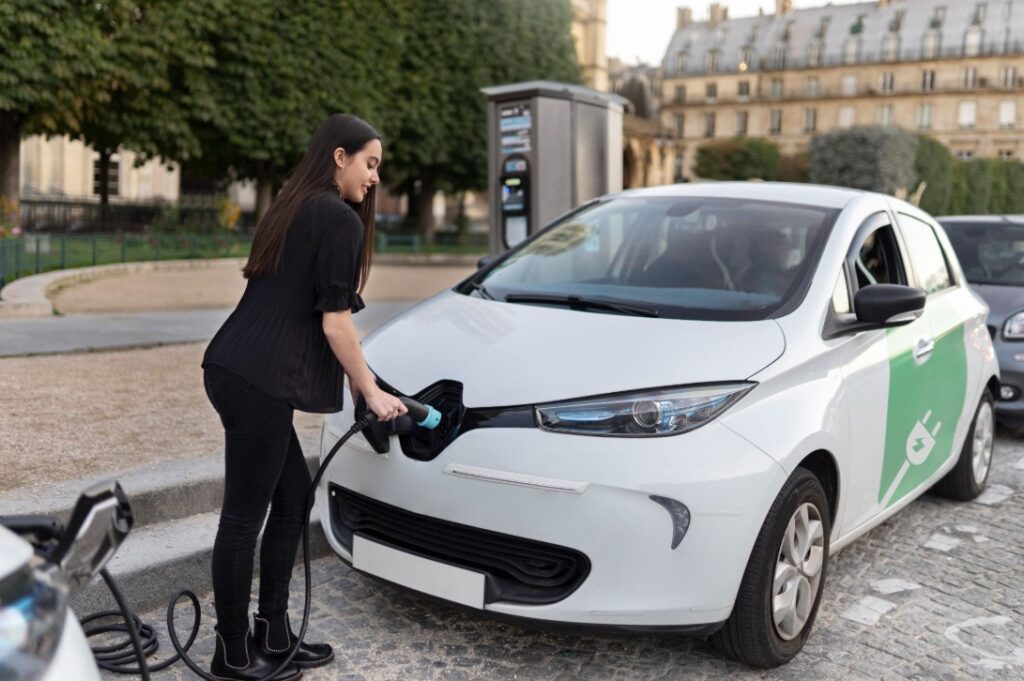
Many driveway EV chargers in England fall under permitted development, so planning permission is usually unnecessary. Lawful off-street parking and permitted development limits still apply to the installation process. England driveway EV charger rules are straightforward for many homeowners, but planning permission is only one part of the installation. Many driveway chargers use permitted development […]
Do You Need a New Consumer Unit for an EV Charger?
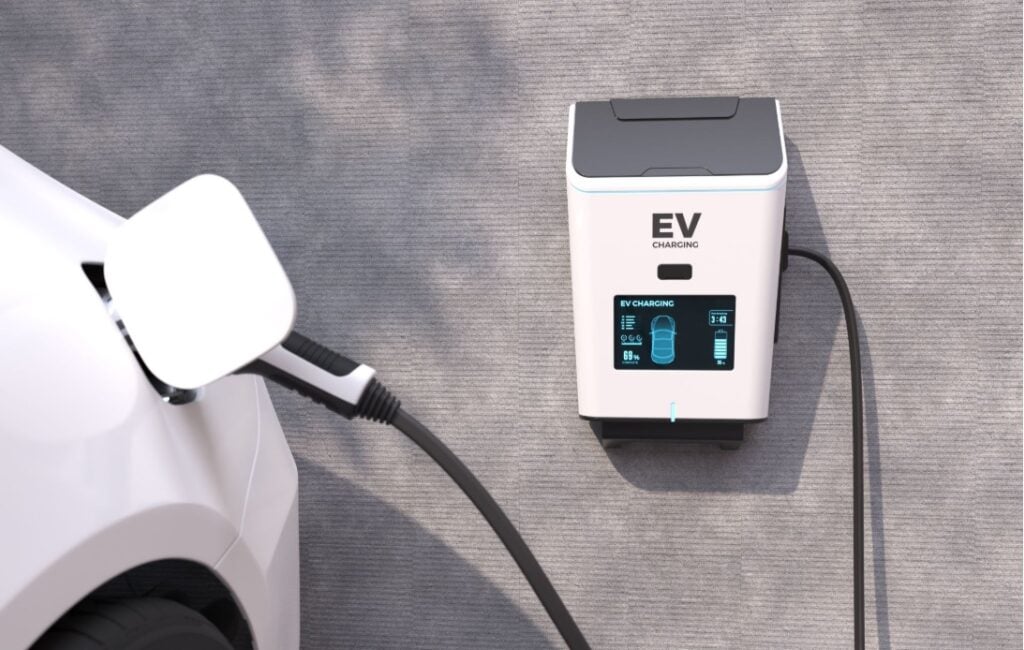
An EV charger does not always need a new consumer unit. A modern board with suitable protection and spare capacity can often take a dedicated circuit, while older boards may need replacing. An EV charger consumer unit needs to cope with a substantial electrical load for an extended period. That can expose limitations in older […]
EV Charger Installation for Landlord: Costs, Grants & Regulations

Landlords can install EV chargers at rental properties. You need off-street parking, an OZEV-approved installer, and compliance with BS 7671. Grants of up to £500 per socket are available. For landlords, installing an EV charger can be a practical property upgrade rather than an unnecessary extra. But the decision depends on whether the property can […]
Solar-Powered EV Chargers: How They Work & the Best Chargers
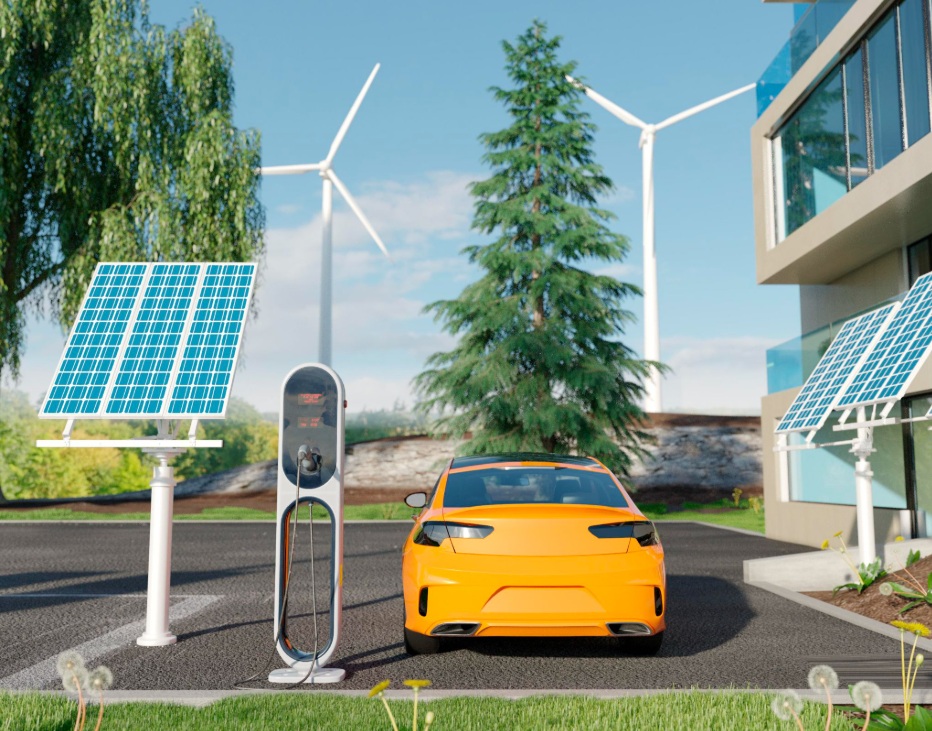
A solar-powered EV charger directs surplus electricity from your solar panels into your electric car, reducing how much grid electricity you need to buy. Not all smart chargers do this automatically. More UK homeowners are pairing solar panels with a solar powered electric car charger to lower running costs. The idea is simple: use your […]
Home EV Charger Grants in 2026: What You Can (and Can’t) Still Claim
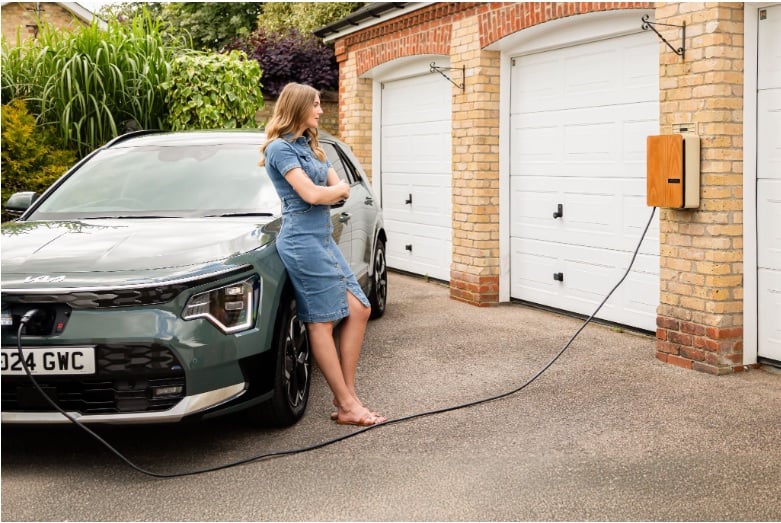
Homeowners with driveways can no longer claim a home EV charger grant. Renters, flat owners, landlords and households without off-street parking may still qualify for up to £500. A lot of people still think any homeowner can claim government money towards a home EV charger. That stopped being true in 2022. The rules around home […]
Best Place at Home to Install an EV Charger (Practical Advice)
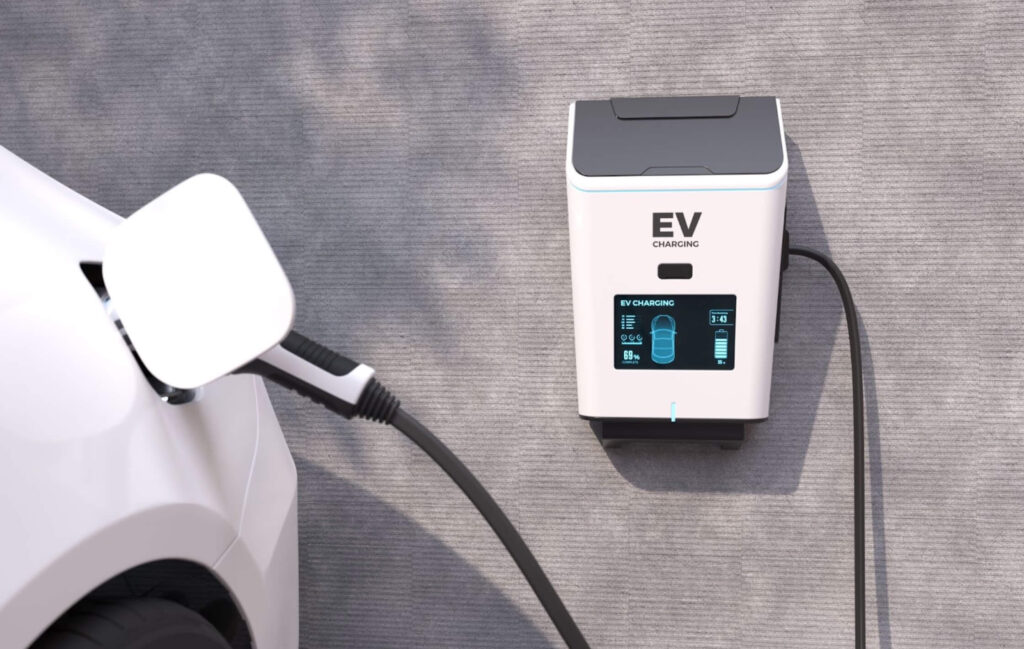
The best spot is close to where you park, near your consumer unit, with safe cable routing that keeps costs down and charging convenient. The right location saves money, makes charging safe every night, and keeps cables tucked away without expensive electrical work. The wrong spot leaves the charger too far from where the car […]
Tethered or Untethered EV Charger? Which Is Best for Your Home
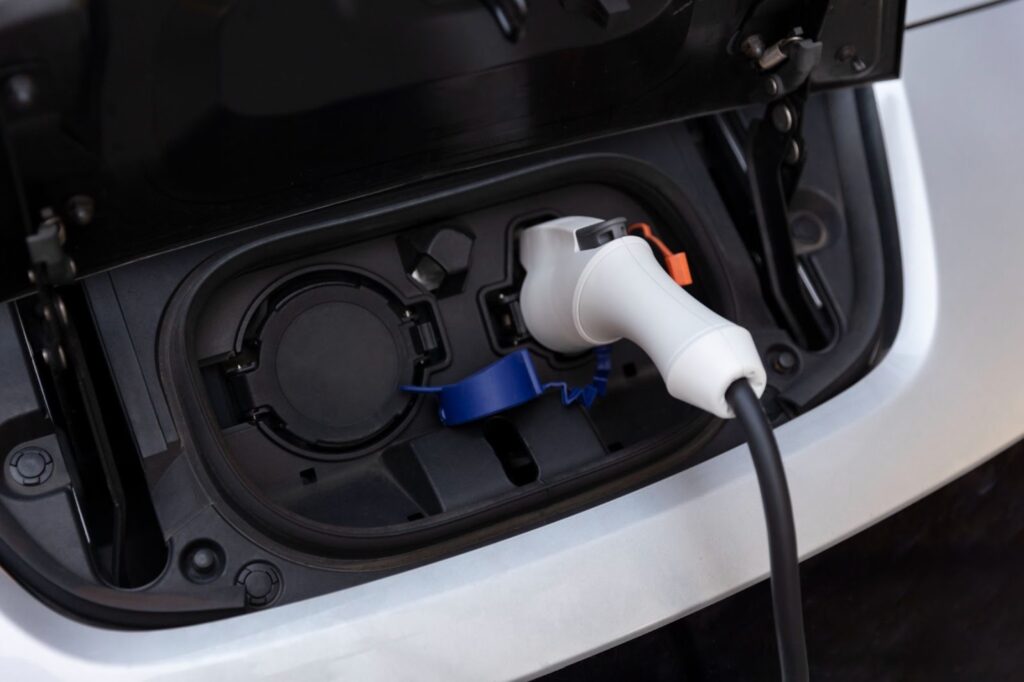
A tethered EV charger includes a permanently attached cable, whilst an untethered EV charger uses a removable charging lead. Both deliver identical charging speeds, with the choice depending on convenience priorities versus flexibility needs. EV adoption continues rising across the UK, with more than 1.1 million fully electric cars licensed and 16.5% of new registrations […]
Top EV Home Chargers UK 2026 – Premium & Budget Picks

Quick Answer: The best EV home chargers in the UK range from premium models like Hypervolt Home 3 Pro (£1,050) to budget picks under £800 like Vchrged Seven, all offering 7.4kW smart charging with varying solar capabilities. Over 1.79 million electric vehicles now cruise UK roads, with 80% of drivers charging at home. Choosing the […]
EV Charging Sockets & Connector Types Explained | Complete Guide

EV charging connectors vary by type (Type 1, Type 2, CCS, CHAdeMO), charging speed (AC/DC), and vehicle compatibility. This guide explains all options to help you understand which connectors work with your electric vehicle. Electric vehicle charging involves a variety of connectors and sockets that can seem overwhelming at first. Each type serves a specific […]
Fastest Home EV Charger UK | What Size EV Charger Do I Need – 3kW, 7kW or 22kW?

The 7kW charger is optimal for most UK homes, offering overnight charging without electrical upgrades. 3kW chargers are slow, while 22kW options require expensive three-phase power installation. With electric vehicles becoming increasingly popular across the UK, choosing the right home charging solution has never been more important. The market offers various options from slow 3kW […]
