
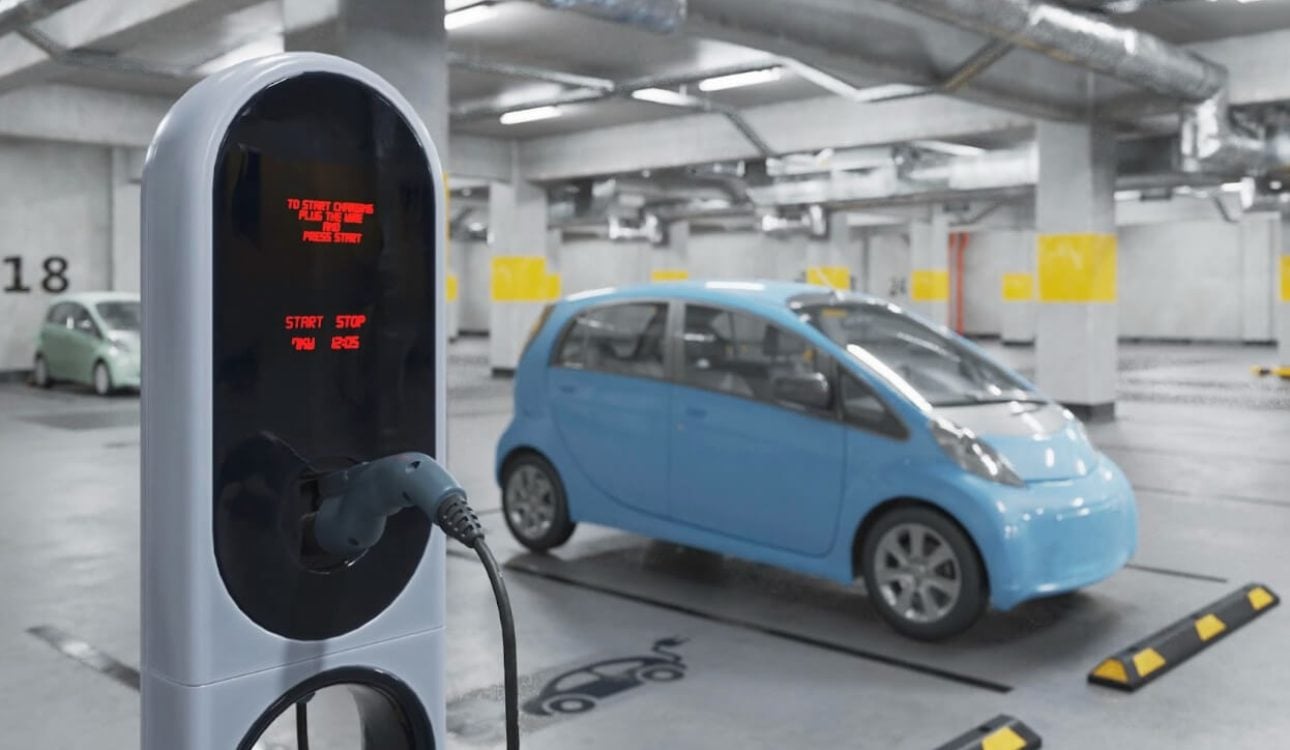

EV charging has three main levels: Level 1 (slow, standard outlet, 2-3kW), Level 2 (medium, dedicated charger, 7-22kW), and Level 3 (rapid DC charging, 50-350kW). Each serves different needs for homes and businesses.
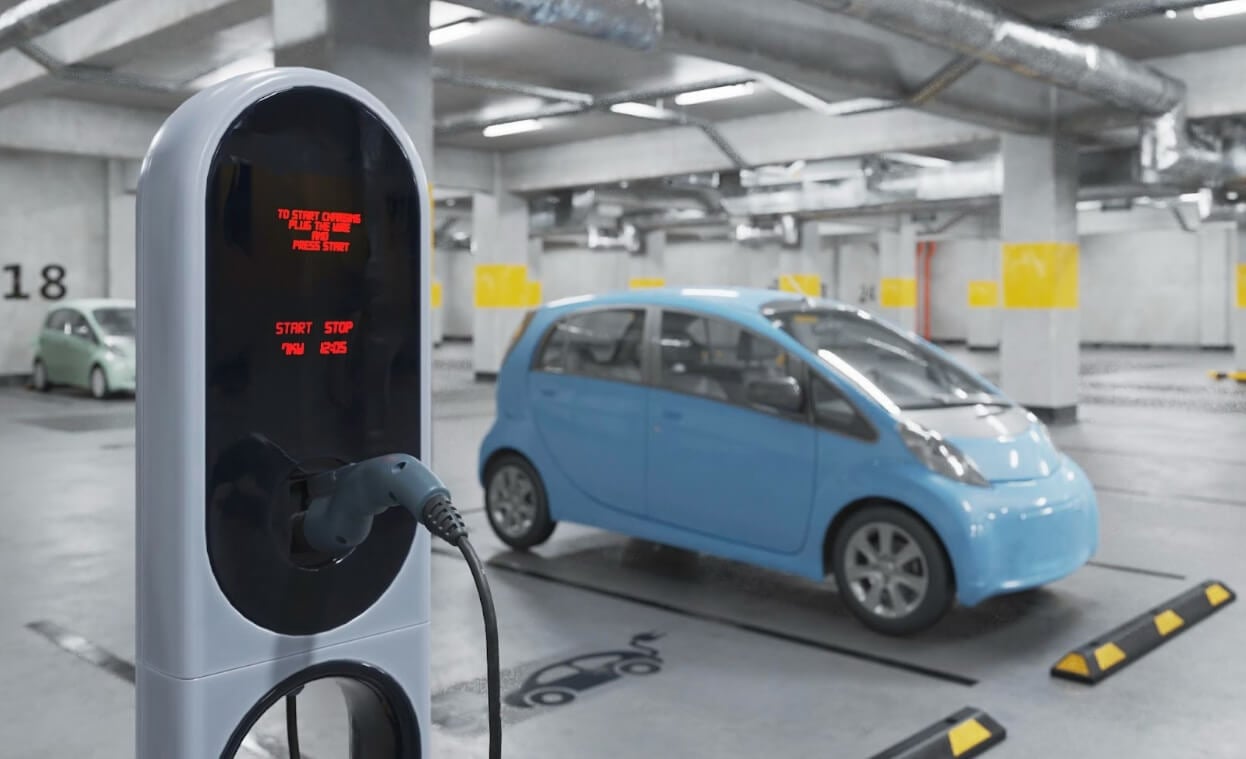
The world of electric vehicle charging can seem complex at first. With terms like Level 1, Level 2, and Level 3 tossed around alongside kilowatts and charging rates, it’s easy to feel overwhelmed. But understanding these charging levels is crucial whether you’re already an EV owner, planning to purchase one, or just want to future-proof your home or business. This guide will break down everything you need to know about EV charging levels in clear, simple terms.
Key Takeaways
- Level 1 charging uses standard outlets (2-3kW) for emergency use, while Level 2 (7-22kW) is ideal for homes and workplaces, offering overnight charging.
- Level 3 DC fast charging (50-350kW) provides rapid charging in minutes but is too expensive for home installation.
- The right charger depends on your needs: most UK homes benefit from a 7.4kW Level 2 charger, while businesses may need a mix of Level 2 and Level 3 options.
What Do EV Charging Levels Mean?
EV charging levels refer to the power output and speed at which an electric vehicle can be charged. The terms Level 1, 2, and 3 actually come from America but are widely used in the UK too.
In official UK terms, the Department for Transport (DfT) categorises chargers differently. They use slow (under 8 kW), fast (8-49 kW), rapid (50-149 kW), and ultra-rapid (150+ kW).
For simplicity, we can match these up: Level 1 is slow charging, Level 2 is fast charging, and Level 3 covers rapid and ultra-rapid charging. The difference comes down to power output, which affects how quickly your car charges.
As of July 2025, the UK has over 82,000 public charging devices, with rapid growth in faster charging options. This network serves over 1.5 million zero-emission vehicles currently on UK roads.

Level 1 Charging
Level 1 is the most basic form of EV charging, using a standard household three-pin socket.
This charging method delivers about 2.3-3 kW of power, adding roughly 8-10 miles of range per hour. For a typical electric car with a 60 kWh battery, a full charge could take more than 20 hours.
Level 1 charging requires no special installation but comes with significant limitations:
- Extremely slow charging speed
- Not suitable for daily use
- Can strain household circuits
- Less energy efficient than dedicated chargers
In the UK, this method is typically only used for occasional or emergency charging when no alternatives are available. Most EV manufacturers include a special cable (sometimes called a “granny cable”) that allows connection to standard home outlets for this purpose.
Level 2 Charging
Level 2 charging is the standard for dedicated home and workplace installations in the UK.
A typical home Level 2 charger delivers 7.4 kW on single-phase power (what most UK homes have). This adds approximately 25-30 miles of range per hour, meaning most EVs can fully charge overnight in 6-8 hours.
In commercial settings with three-phase power, Level 2 chargers can deliver up to 22 kW, adding 75-80 miles of range per hour.
Level 2 chargers offer the perfect balance for most UK settings:
- Practical overnight charging for homes
- Ideal for workplace parking
- Compatible with smart charging features
- Supports government EV Smart Charging regulations
- Reasonable installation costs (typically £800-£1,500)
These chargers require professional installation and a dedicated circuit, but they represent the sweet spot for most UK homes and businesses.
Level 3 Charging
Level 3 charging uses Direct Current (DC) to deliver the fastest possible charging speeds, starting at 50 kW and going up to 350 kW for ultra-rapid chargers.
At this level, charging speeds are impressive:
- 50 kW: Adds about 100 miles in 30-40 minutes
- 150-350 kW: Adds up to 200 miles in just 20 minutes (vehicle depending)
You’ll find Level 3 chargers at motorway service areas, retail parks, and dedicated charging hubs where quick turnaround is essential.
While the speed is unmatched, Level 3 comes with significant limitations:
- Very expensive to install (£50,000-£100,000+)
- Requires substantial electrical infrastructure
- Not practical for home installation
- Some vehicles have limited DC charging capabilities
Level 3 charging is transforming public infrastructure, but remains impractical for most homes or small businesses due to cost and power requirements.
AC vs DC Charging Explained
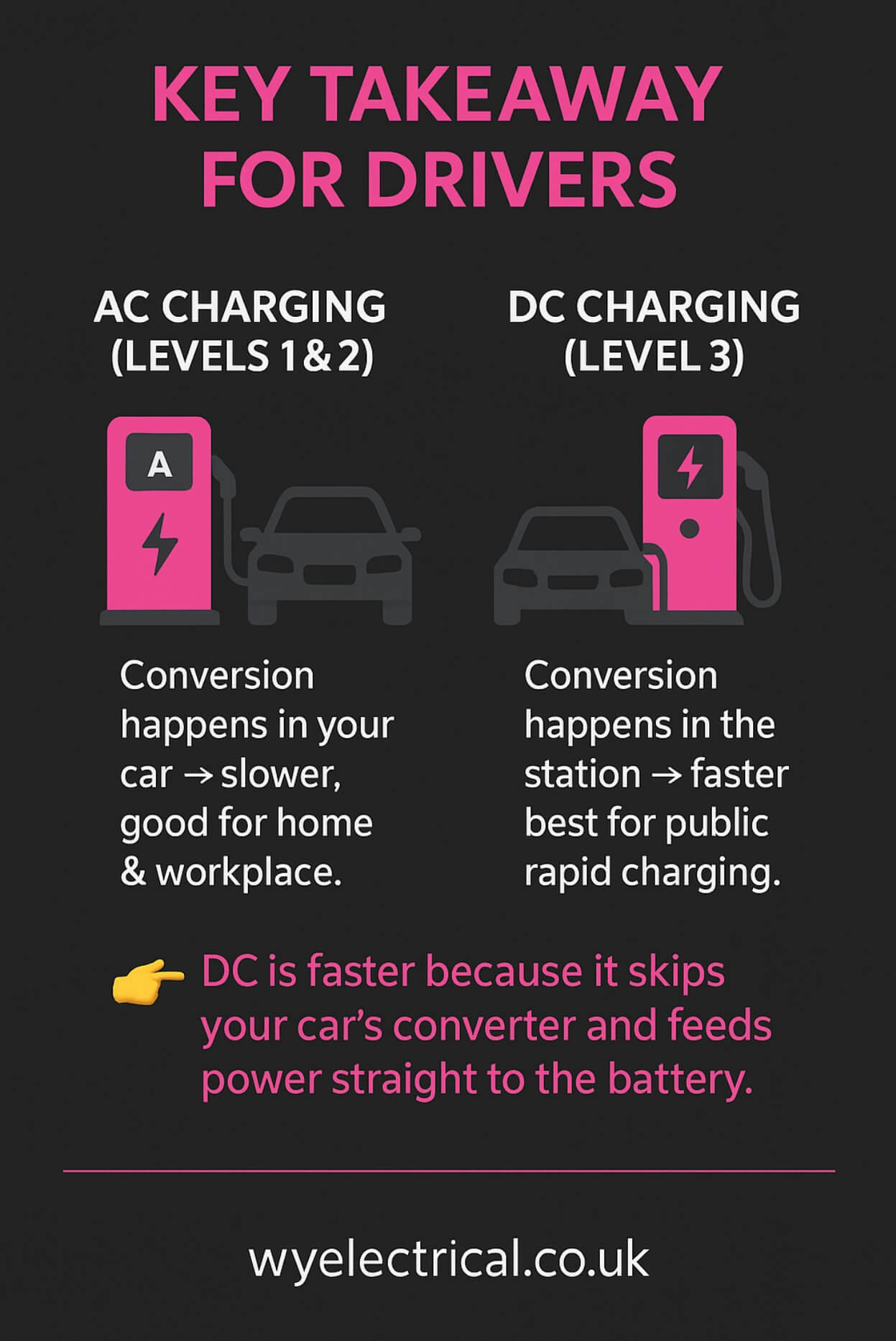
The key difference between charging levels comes down to the type of current and where conversion happens.
Your EV’s battery stores energy as DC (Direct Current), but the power from the grid comes as AC (Alternating Current). This means conversion must happen somewhere in the charging process.
With Level 1 and Level 2 charging, your car’s built-in onboard charger handles this conversion. The onboard charger has limited capacity (typically 7.4-11 kW), which creates a bottleneck.
Think of it like pouring water through a funnel. No matter how wide the tap, the funnel limits the flow.
Level 3 chargers work differently. The conversion from AC to DC happens in the charging station itself. This bypasses your car’s onboard charger, allowing much higher power delivery directly to the battery.
This explains why a Level 2 charger maxes out around 22 kW, while a Level 3 charger can deliver up to 350 kW. The bottleneck is removed.
Which Charger is Right for You?
The right charger depends on your specific situation. Let’s look at what works best for homes and businesses.
For Homeowners:
For most UK homeowners, a 7.4 kW Level 2 charger represents the ideal balance of performance and cost. Installation typically costs £800-£1,500, depending on your property’s electrical capacity and layout.
Smart chargers now come as standard and allow you to:
- Schedule charging during off-peak hours
- Monitor and control charging remotely
- Integrate with solar panels or home energy systems
- Qualify for cheaper EV-specific electricity tariffs
The Electric Vehicles (Smart Charge Points) Regulations 2021 require all new home chargers to include smart functionality by default, with features like off-peak charging schedules and randomised delay to reduce grid strain.
For flats and rental properties without dedicated parking, the EV Chargepoint Grant provides up to £350 (75% of installation costs) for eligible installations. Our home EV charger installation team can help you navigate these options.
For Businesses:
Businesses have more complex charging needs and often benefit from a mix of charging options:
- Workplace charging (7-22 kW AC): Ideal for employee parking where vehicles remain stationary for several hours. The Workplace Charging Scheme offers grants of £350 per socket (up to 40 sockets) to help with installation costs.
- Commercial/public charging (50+ kW DC): Suitable for retail locations, service businesses, or fleet operations requiring rapid turnaround. These installations require significant investment but can provide additional revenue streams.
New commercial buildings with more than 10 parking spaces now require at least one chargepoint plus cable routes for 20% of spaces under Building Regulations Part S.
Our business EV charging solutions can help you design the right system for your commercial needs.
EV Charger Levels Comparison Table
| Feature | Level 1 (Slow AC) | Level 2 (Fast AC) | Level 3 (DC Rapid/Ultra-rapid) |
|---|---|---|---|
| Power Output | 2.3–3 kW | 7–22 kW | 50–350 kW |
| Charging Speed | 8–10 hours for 100 miles | 2–5 hours for 100 miles | 20–40 minutes for 100–200 miles |
| Typical Installation | None (uses existing outlet) | Dedicated wallbox | Specialized equipment |
| Installation Cost | £0 (existing socket) + EVSE cable (£150–£300) | £800–£1,500 | £50,000–£100,000+ |
| Suitable Locations | Emergency home use | Homes, workplaces, public parking | Motorway services, charging hubs |
| UK Classification | Slow (<8 kW) | Fast (8–49 kW) | Rapid (50–149 kW), Ultra-rapid (≥150 kW) |
| Connector Type | 3-pin plug | Type 2 | CCS (most common) or CHAdeMO |
Conclusion
For most UK homeowners, a 7.4 kW Level 2 smart charger provides the ideal balance of performance and cost, while businesses might benefit from a mix of Level 2 and Level 3 options depending on their needs.
As EV specialists, we provide tailored charging solutions for both domestic and commercial applications, handling everything from initial consultation to installation and ongoing support.
Ready to explore your EV charging options? Contact us today for a personalised quote and take the first step toward convenient, cost-effective EV charging.
FAQs
What are the main EV charging levels?
There are three main EV charging levels: Level 1 (slow AC, 2.3-3 kW), Level 2 (fast AC, 7-22 kW), and Level 3 (rapid/ultra-rapid DC, 50-350 kW). These correspond to the UK’s categories of slow, fast, and rapid/ultra-rapid charging.
How fast is a Level 2 charger?
A Level 2 charger typically adds 25-30 miles of range per hour at 7.4 kW (standard UK home installation) or up to 75-80 miles per hour at 22 kW (commercial settings). Most EVs can fully charge overnight with a Level 2 charger.
Do I need a Level 3 charger at home?
No. Level 3 chargers are impractical for home use due to their high cost (£50,000+) and industrial power requirements. A Level 2 charger provides the perfect balance of speed and practicality for home charging.
What’s the difference between AC and DC charging?
AC charging (Levels 1 & 2) uses your car’s built-in converter to change AC to DC for the battery, limiting speed. DC charging (Level 3) converts electricity at the charging station, bypassing this limitation for much faster charging.
What’s best for workplaces and commercial fleets?
For workplaces, Level 2 chargers (7-22 kW) typically offer the best balance when vehicles park for hours. Commercial fleets often benefit from a mix: Level 2 for overnight charging and Level 3 for quick daytime top-ups during operations.
