
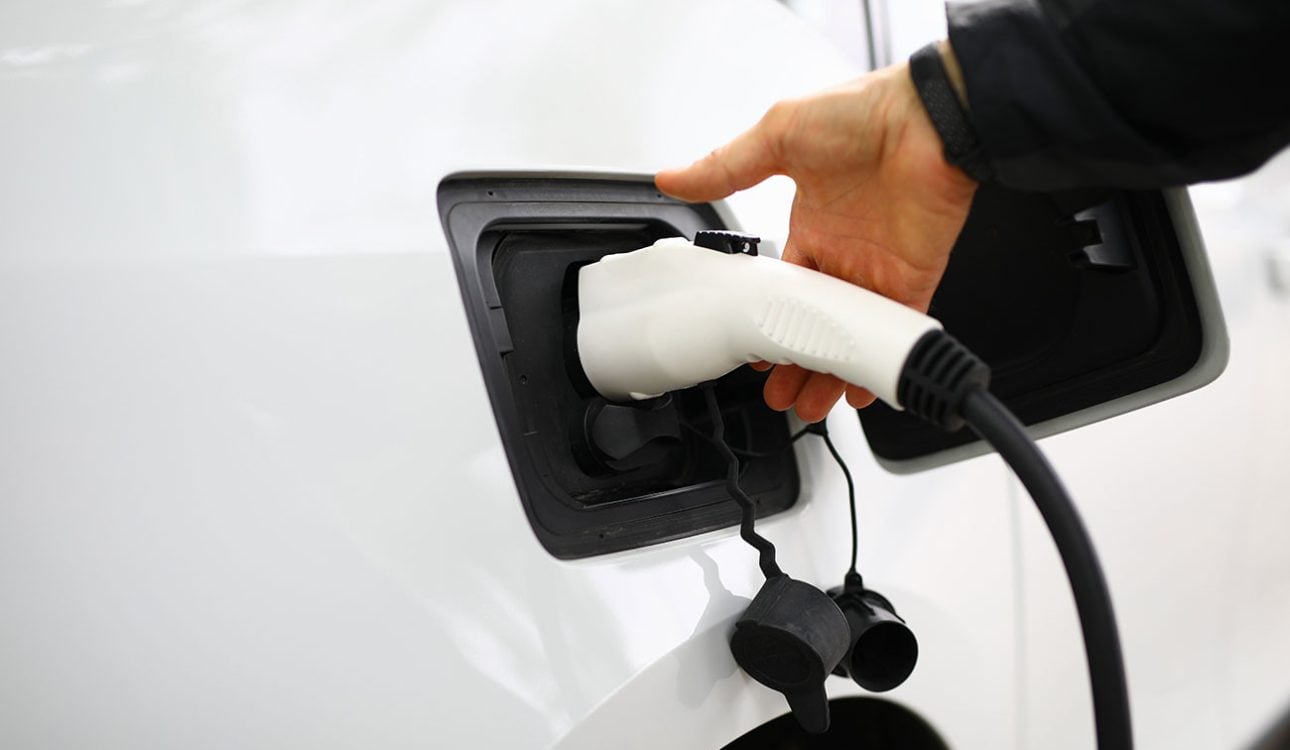

Quick Answer: The best EV home chargers in the UK range from premium models like Hypervolt Home 3 Pro (£1,050) to budget picks under £800 like Vchrged Seven, all offering 7.4kW smart charging with varying solar capabilities.
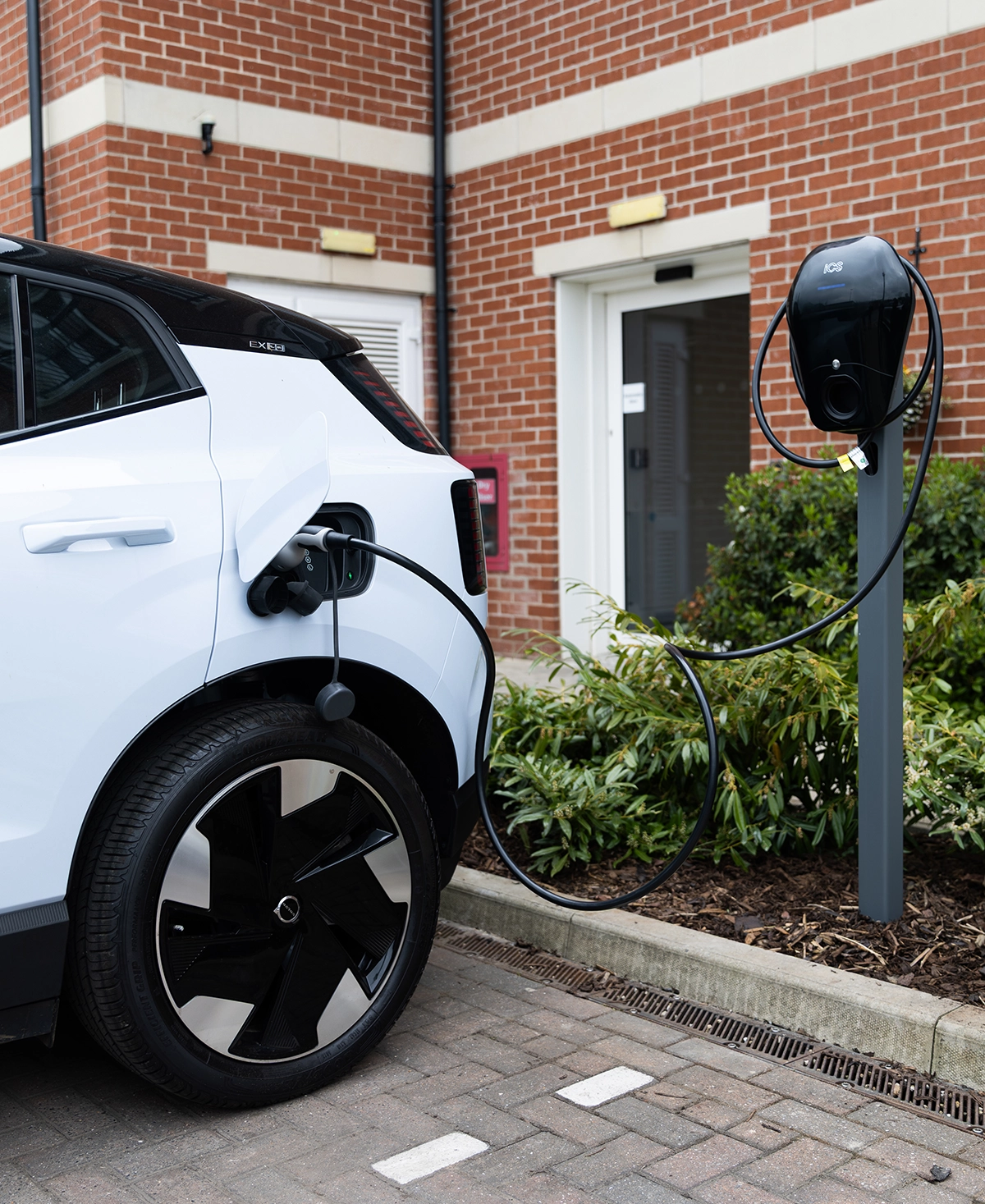
Over 1.79 million electric vehicles now cruise UK roads, with 80% of drivers charging at home. Choosing the right home charger can save you £450+ annually compared to public charging. This guide covers everything from premium chargers to budget options, solar compatibility, and installation costs.
Key Takeaways
- Planning permission is no longer required as of May 2025, saving homeowners £1,100 in fees and speeding up installation timelines significantly.
- Budget chargers under £800 now offer impressive features, including solar integration and smart scheduling, closing the gap with premium models.
- 7kW charging is the sweet spot for 99% of UK homes, fully charging a typical 60kWh battery overnight without expensive electrical upgrades.
Why Your Home Charger Choice Matters in 2026
Home EV charging costs just 2–3p per mile versus 15–20p for public rapid chargers. UK smart-charging rules, cheaper off-peak tariffs, solar integration, V2G readiness, updated 2026 planning rules, and extended OZEV grants make choosing a future-proof, smart, efficient home charger more important than ever.
How to Choose the Best EV Home Charger (Key Buying Factors)
It’s not necessary that you need the fastest charger available. Your actual requirements depend on daily mileage and overnight parking duration.
- 3.6kW to 3.7kW chargers add 12 to 15 miles per hour. They suit low-mileage drivers perfectly and cost the least. If you drive under 30 miles daily, this works fine.
- 7kW to 7.4kW chargers are the recommended standard for most households. They add 25 to 30 miles per hour and fully charge a typical 60kWh battery in 8 to 10 hours. This works with standard UK single-phase electricity already in your home.
- 11kW to 22kW chargers require three-phase power, which most UK homes don’t have. Upgrading costs between £3,000 and £15,000. Unless your vehicle supports it and you genuinely need rapid home charging, skip this.
Tethered vs Untethered: Which Suits Your Life?
Tethered chargers come with a fixed cable permanently attached. More convenient, better weather protection, and the cable stays visible as a reminder. Best for single-EV households where everyone drives the same connector type.
Untethered chargers provide just a socket. You supply your own cable. Cleaner aesthetic, more versatile for multiple vehicles, and the cable lives in your boot. Minimalists prefer this approach.
Smart Features Worth Paying For
Not all smart features deserve your money. These ones do:
- Solar integration matters if you have panels. It diverts surplus solar energy to your EV automatically, reducing charging costs to nearly zero during sunny months.
- Tariff optimisation works brilliantly with time-of-use plans. Ohme paired with Octopus Intelligent Go schedules charging automatically at 7p per kWh. No manual intervention needed.
- Load balancing prevents electrical overload during high household usage. Your charger communicates with your consumer unit and adjusts power draw accordingly.
- Built-in PEN fault detection saves £75 to £150 on earth rod installation. Properties without this feature need an earth rod dug into the ground for safety compliance.
- Energy monitoring and scheduling via app gives you control. Track exactly how much each charge costs and adjust schedules around your routine.
Compatibility and Build Quality
All UK chargers use Type 2 connectors. Universal standard across British EVs, so compatibility isn’t complicated.
Look for OZEV approval and NICEIC or NAPIT installer certification. These aren’t optional nice-to-haves. They’re legal requirements and insurance policy necessities.
Warranty minimums should be 3 years. Premium models offer 5 to 7 years. Longer coverage signals manufacturer confidence in their product’s durability.

Top Premium EV Home Chargers UK (£900 to £1,500)
Premium doesn’t mean overpriced when you’re getting features that genuinely matter. These chargers offer faster speeds, proper solar integration, and smart capabilities that reduce your electricity bills month after month. Worth the extra investment if you’re planning to keep your EV long-term. Here are the top options worth considering:

Andersen A3: Best for Design-Conscious Homeowners
- Price: £1,374 to £1,500 installed
- Best for: Properties where kerb appeal matters and aesthetics justify premium pricing.
- Pros: Industry-leading design, premium build quality, 7-year warranty available.
- Cons: Premium price point, longer wait times for custom finishes.
The Andersen A3 treats your charger as a design statement, not an eyesore. With 247 custom finishes available, it matches any exterior aesthetic from Victorian brick to modern render.
Integrated cable storage keeps everything tidy. Power options range from 7kW to 22kW. Solar compatibility comes standard. High-end properties benefit most. If your home’s exterior matters to you, this charger won’t disappoint.

Hypervolt Home 3 Pro: Best Overall Reliability
- Price: £1,050 to £1,120 installed
- Best for: Users wanting proven reliability with comprehensive smart features.
- Pros: Lowest fault rate documented, no earth rod cost, excellent warranty.
- Cons: Less visually distinctive than Andersen's custom options.
The Hypervolt Home 3 Pro won What Car? Best Home EV Charger 2025 for good reason. Lowest fault rate in their survey, built-in PEN fault detection, and genuine solar integration.
7.4kW output with load balancing prevents electrical overload. No earth rod needed, thanks to integrated safety features. Warranty spans 3 to 5 years, depending on the installer.

Ohme Home Pro: Best for Bill Savings
- Price: £899 to £936 installed
- Best for: Octopus Energy customers and anyone on time-of-use tariffs.
- Pros: Automatic cheapest-rate charging, intuitive interface, excellent value.
- Cons: Solar integration not as advanced as Zappi's dedicated modes.
The Ohme Home Pro features a built-in LCD screen and exceptional tariff integration. Pair it with Octopus Intelligent Go and watch it schedule charging automatically at 7p per kWh.
7.4kW output with built-in PEN detection. The interface makes sense immediately. No confusing menus or hidden settings.

MyEnergi Zappi: Best for Solar Panel Owners
- Price: £899 to £999 installed
- Best for: Existing solar panel owners and eco-conscious drivers.
- Pros: Best-in-class solar integration, excellent app design, proven reliability.
- Cons: Solar features wasted without panels, slightly higher learning curve.
The MyEnergi Zappi sets the gold standard for solar integration. Three charging modes (Fast, Eco, Eco+) let you prioritise solar surplus or grid power based on weather and needs.
7.4kW output with industry-leading solar surplus diversion. The app provides detailed energy flow visualisation. 3-year warranty included.

Pod Point Solo 3S: Best for First-Time EV Owners
- Price: £849 to £999 installed
- Best for: Users prioritising installation quality and ongoing support.
- Pros: Users prioritising installation quality and ongoing support.
- Cons: Fewer advanced features than Hypervolt or Ohme competitors.
Pod Point Solo 3S prioritises hassle-free installation and customer support. Which? endorses their installation service, and customer satisfaction ratings stay consistently high.
Tethered or untethered options are available. 7.4kW output with basic solar readiness. OZEV-approved with straightforward app control.

Zaptec Go 2: Best for Future-Proofing
- Price: £1,100 to £1,200 installed
- Best for: Early adopters interested in V2G technology and energy independence.
- Pros: Bi-directional charging capability, future-proof features, excellent connectivity.
- Cons: V2G requires compatible vehicles (limited in 2025), premium pricing.
The Zaptec Go 2 offers V2G (vehicle to grid) capability, positioning you for future energy trading. 22kW output with 1-phase to 3-phase switching flexibility.
Subscription-free 4G connectivity and remote cable locking. Advanced solar integration included.
EV Home Charger Comparison Table
Use this table to compare top chargers at a glance. All models meet 2026 UK smart charging regulations and carry OZEV approval.
| Model | Price (Installed) | Power Output | Tethered / Untethered | Solar-Ready | Key Smart Features | Pros | Cons | Best For |
|---|---|---|---|---|---|---|---|---|
| Andersen A3 | £1,374–£1,500 | 7kW–22kW | Both | Yes | Solar integration, 247 finishes, cable storage | Premium design, 7-year warranty | High cost, long lead time | Design-conscious homeowners |
| Hypervolt Home 3 Pro | £1,050–£1,120 | 7.4kW | Tethered | Yes | PEN detection, load balancing, solar support | Lowest fault rate, very reliable | Less distinctive design | All-round best performer |
| Ohme Home Pro | £899–£936 | 7.4kW | Tethered | Limited | LCD screen, Octopus tariff integration | Excellent bill savings, auto-scheduling | Weak solar features | Time-of-use tariff users |
| MyEnergi Zappi | £899–£999 | 7.4kW | Both | Yes (Best) | Eco+ solar mode, app control | Gold-standard solar charging | Complex without solar | Solar panel owners |
| Pod Point Solo 3S | £849–£999 | 7.4kW | Both | Basic | Energy monitoring | Excellent customer service | Fewer advanced features | First-time EV owners |
| Zaptec Go 2 | £1,100–£1,200 | 22kW | Tethered | Yes | V2G capability, 4G connectivity | Future-proof, bi-directional ready | Requires V2G-compatible vehicle | Early adopters |
| Vchrged Seven | £714.89 | 7.4kW | Tethered | Yes | Solar ratio adjustment, smart app | Cheapest solar-ready option | Newer brand | Budget solar users |
| EVEC 7.4kW | £650–£750 | 7.4kW | Tethered | No | Basic scheduling | Lowest price, simple setup | No solar support | Basic budget buyers |
| Wallbox Pulsar Max | £849–£999 | 7.4kW–22kW | Both | Yes (Add-ons) | Dynamic power, Wi-Fi & Bluetooth | Compact, modular design | Solar features cost extra | Compact smart charging setups |
Installation Costs and OZEV Grants in 2026
Most standard 7.4kW home EV charger installations in West Yorkshire typically range from around £900 to £1,300 depending on cable routing, charger model, and the existing electrical installation. Simpler installations may cost less, whilst more complex installs involving longer cable runs, detached garages, or consumer unit upgrades will increase the overall price.
Three-phase 11kW and 22kW EV chargers are generally used for commercial or specialist installations and usually require a three-phase electrical supply. Where a three-phase upgrade is needed, costs can increase significantly depending on the property and DNO requirements.
Additional installation factors that can affect pricing include:
- longer cable routes
- consumer unit upgrades
- groundwork or trenching
- WiFi or signal limitations
- mounting location
- load balancing requirements
Some installations may also require additional protective equipment or earthing work depending on the charger selected and the existing electrical setup.
The OZEV EV Chargepoint Grant can currently provide up to £500 towards an eligible EV charger installation for qualifying applicants, including renters, flat owners, leaseholders, and landlords with dedicated off-street parking. Standard homeowners in single residential houses are not currently eligible for the residential grant scheme.
At WY Electrical, our NICEIC-approved electricians manage the installation, certification, DNO notifications, and OZEV paperwork where applicable.
Charging at home on an off-peak EV tariff can significantly reduce running costs compared with public charging, particularly when combined with smart charging schedules or overnight EV tariffs such as Intelligent Octopus Go.
Important note: The OZEV EV Chargepoint Grant was previously capped at £350. Since 1 April 2026, eligible applicants can now claim up to £500 towards qualifying installations.
Conclusion
The right choice of installing a home charger depends on your budget, whether you have solar panels, and how much you value smart features. Any OZEV-approved charger saves you hundreds annually compared to public charging alternatives.
Ready to start saving on every charge? We install the charger, handle grant applications, and ensure full compliance with 2026 UK regulations. Get your free quote and site survey today. Our NICEIC-approved team will recommend the perfect charger for your home and vehicle.
FAQs
Do I need planning permission to install an EV charger in 2026?
No. Planning permission disappeared in May 2025 thanks to updated Permitted Development Rights. This applies to homes with private driveways and off-street parking, saving homeowners around £1,100 in planning fees and speeding up installation.
Can I install an EV charger if I rent or live in a flat?
Yes, and you may qualify for the OZEV grant covering 75% of costs up to £500 maximum. You’ll need landlord permission, but renters and flat dwellers now get prioritised in government grant schemes. The charger also adds property value.
How long does it take to fully charge an EV at home?
A standard 7kW charger fully charges a typical 60kWh battery in 8-10 hours from empty. Most drivers charge overnight and rarely deplete batteries completely, meaning real-world charging takes 4-6 hours. A 3.6kW charger takes roughly double that time, whilst a 22kW charger manages it in 3-4 hours if your vehicle supports that speed.
Are all EV home chargers compatible with solar panels?
No. Only chargers with dedicated solar integration actively divert surplus solar energy automatically. MyEnergi Zappi, Vchrged Seven, and Hypervolt Home 3 Pro offer genuine solar optimisation. Basic chargers might charge during daylight, but won’t maximise solar usage intelligently.
What’s the difference between smart and non-smart EV chargers?
Since June 2022, all new UK home chargers rated 7.4kW and above must be “smart” by law. They connect to Wi-Fi, schedule charging via apps, integrate with tariffs like Octopus Intelligent Go, and default to off-peak charging between 11 pm and 7 am. Non-smart chargers under 3.7kW remain legal but lack these cost-saving features.
