
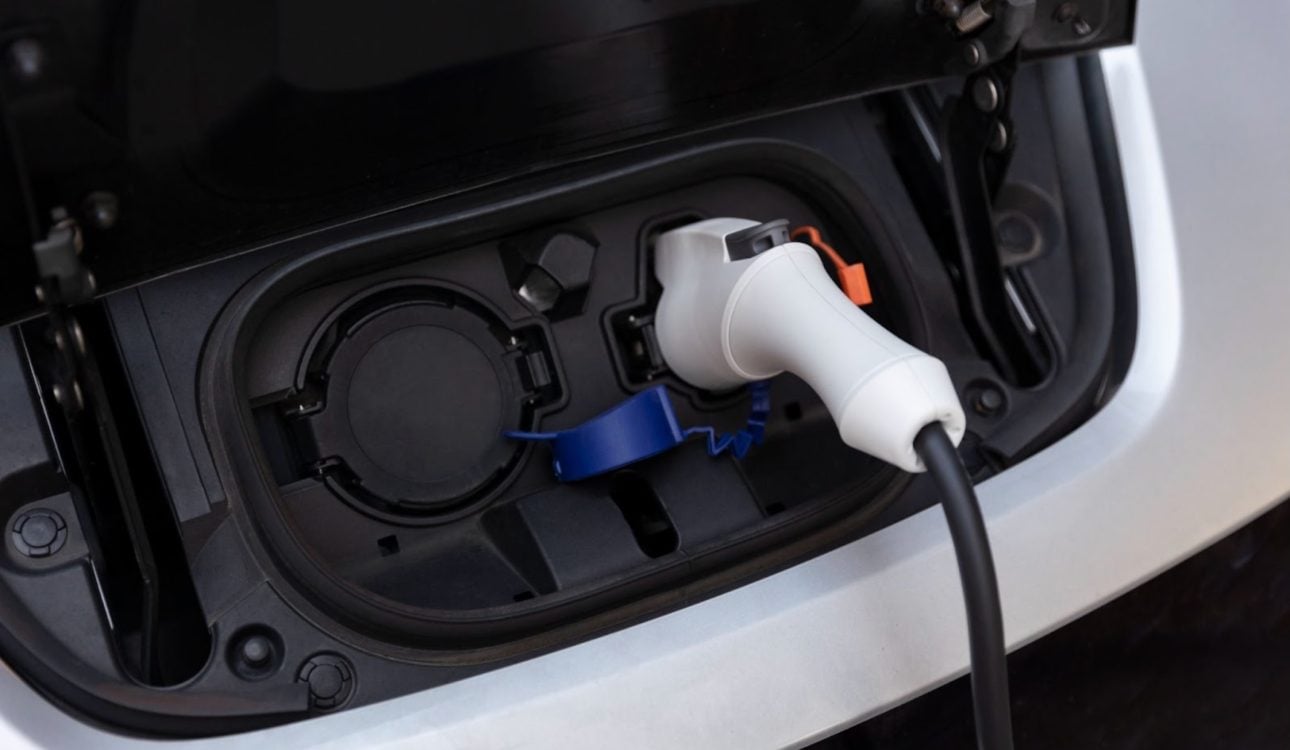

A tethered EV charger includes a permanently attached cable, whilst an untethered EV charger uses a removable charging lead. Both deliver identical charging speeds, with the choice depending on convenience priorities versus flexibility needs.
EV adoption continues rising across the UK, with more than 1.1 million fully electric cars licensed and 16.5% of new registrations in 2023 being battery electric. Around 70% to 80% of charging happens at home, making the choice between a tethered and untethered EV charger important for convenience, flexibility, cost and long-term usability.
Key Takeaways
- A tethered EV charger includes a permanently attached cable for immediate plug-in convenience, while an untethered unit uses a separate removable Type 2 cable.
- Charging speed is identical for both types and depends on power rating, onboard charger capacity, and electrical supply, not cable attachment.
- Both charger types must meet UK smart charging regulations and BS 7671 standards, with installation costs typically ranging from £900 to £1,200.
What Is a Tethered EV Charger?
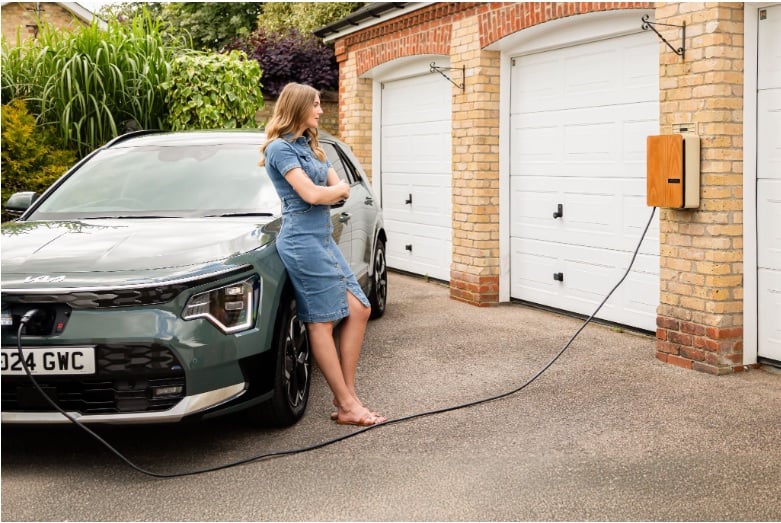
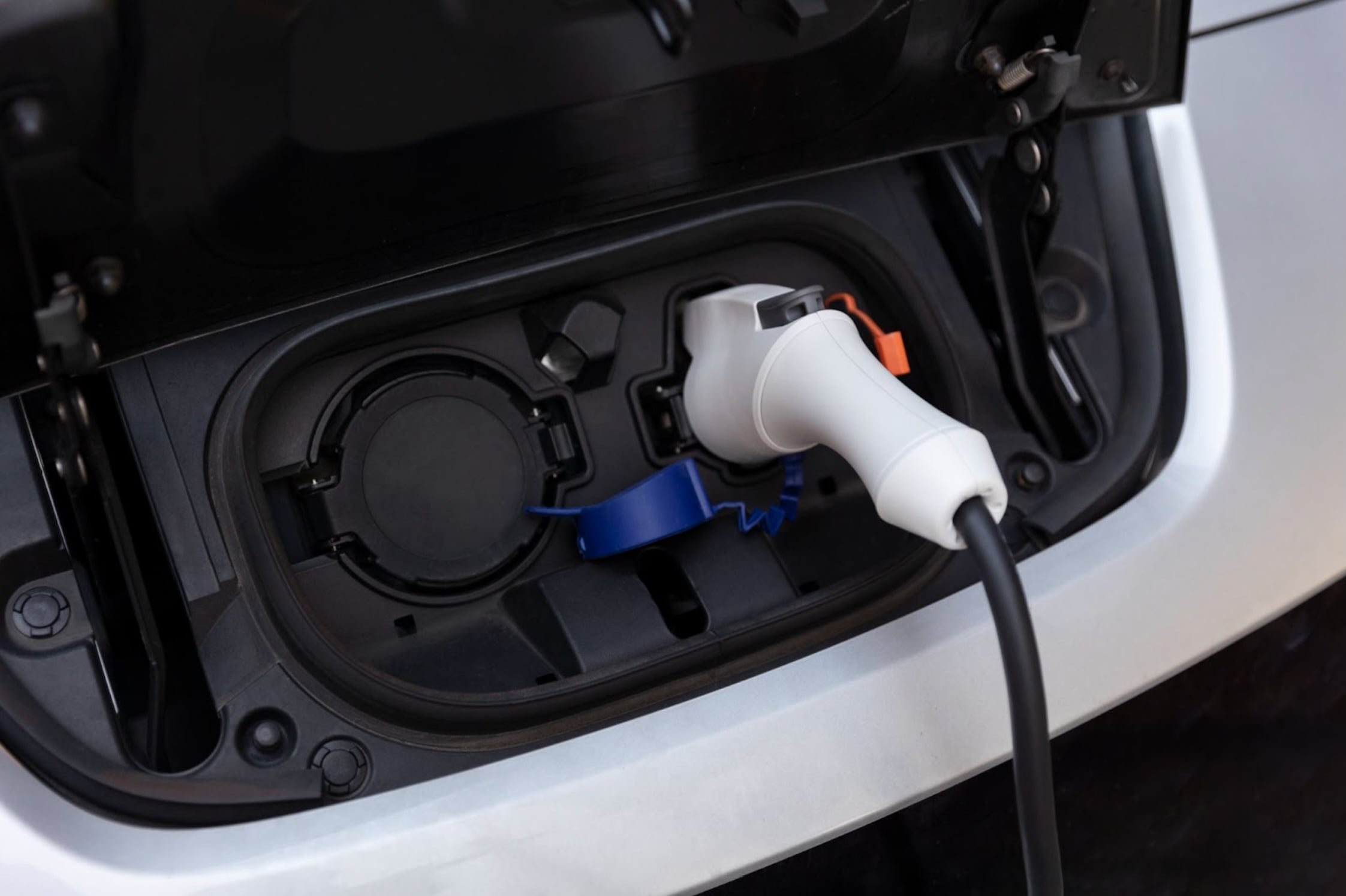
A tethered EV charger has a built-in charging cable permanently attached to the unit.
The cable typically measures 5 to 8 metres in UK home installations, providing reach from wall-mounted chargers to vehicles parked across typical driveway widths. When not in use, the cable wraps around the unit or hangs on an integrated holster.
Day-to-day use follows a simple plug and go routine. You arrive home, pull the cable from its holder, plug it into your vehicle, and charging begins. No need to retrieve anything from the car boot or unlock the house to fetch a cable.
Tethered chargers work particularly well when you charge a single EV frequently, park on an outdoor exposed driveway where accessing the car boot in poor weather feels inconvenient, want reduced handling during UK rainfall (averaging approximately 885mm annually across the country), or simply prefer the fastest possible charging routine without extra steps.
What Is a Tethered EV Charger?
An untethered EV charger is a socket-only unit featuring a Type 2 outlet.
You provide your own separate charging lead, typically stored in the car boot when not in use. The charger unit itself remains clean and compact on the wall, with nothing dangling or coiled around it between charging sessions.
This setup offers a tidier appearance when not actively charging and provides flexibility for households managing multiple EVs, potentially requiring different cable lengths or specifications. The removable cable means you can upgrade or replace it independently without touching the wall unit.
Untethered chargers suit situations where multiple EVs share the charger (each vehicle can use its own cable), drivers anticipate switching vehicles in the near future and want maximum compatibility, visual appearance matters because the charger sits prominently on the property facade, or flexibility outweighs the minor inconvenience of handling an extra cable.
Tethered vs Untethered EV Charger Key Differences
The fundamental difference between these charger types lies in how the charging cable integrates with the unit itself.
A tethered charger comes with everything you need in one package, whilst an untethered setup separates the socket from the cable you use.
Both approaches work perfectly well for home charging, but they suit different situations and preferences in ways that affect your daily routine and long-term flexibility.
Comparison Table
| Factor | Tethered Charger | Untethered Charger |
|---|---|---|
| Convenience | Fastest plug-and-go experience; no need to fetch or store a cable | Requires retrieving and connecting cable each time |
| Vehicle compatibility | Fixed cable (usually Type 2); may limit flexibility if connector standards change | Maximum flexibility; compatible with any vehicle using appropriate cable |
| Appearance and tidiness | Cable visible on wall; may look busier | Cleaner wall appearance with no permanent cable |
| Cable management | Cable wrapped around unit or holster; always exposed to weather | Cable stored in vehicle or indoors; wall unit remains uncluttered |
| Installation | Slightly heavier unit due to integrated cable; positioning must consider cable reach | Simpler wall unit; cable length chosen separately |
| Typical cost | Usually £50–£150 more due to integrated cable | Slightly lower upfront cost |
| Single-vehicle homes | Very convenient and consistent | Slightly more handling required |
| Multi-EV households | Less adaptable if different cable lengths are needed | Different vehicles can use different cables |
| Long-term flexibility | Cable replacement may require manufacturer-compatible part | Easy to upgrade or replace cable independently |
Charging Speed and Vehicle Compatibility
Charging speed is often misunderstood.
Some assume tethered chargers deliver faster charging because the cable is built in, but tethered and untethered units perform identically. Cable attachment does not influence power delivery.
Charging time depends on three core factors.
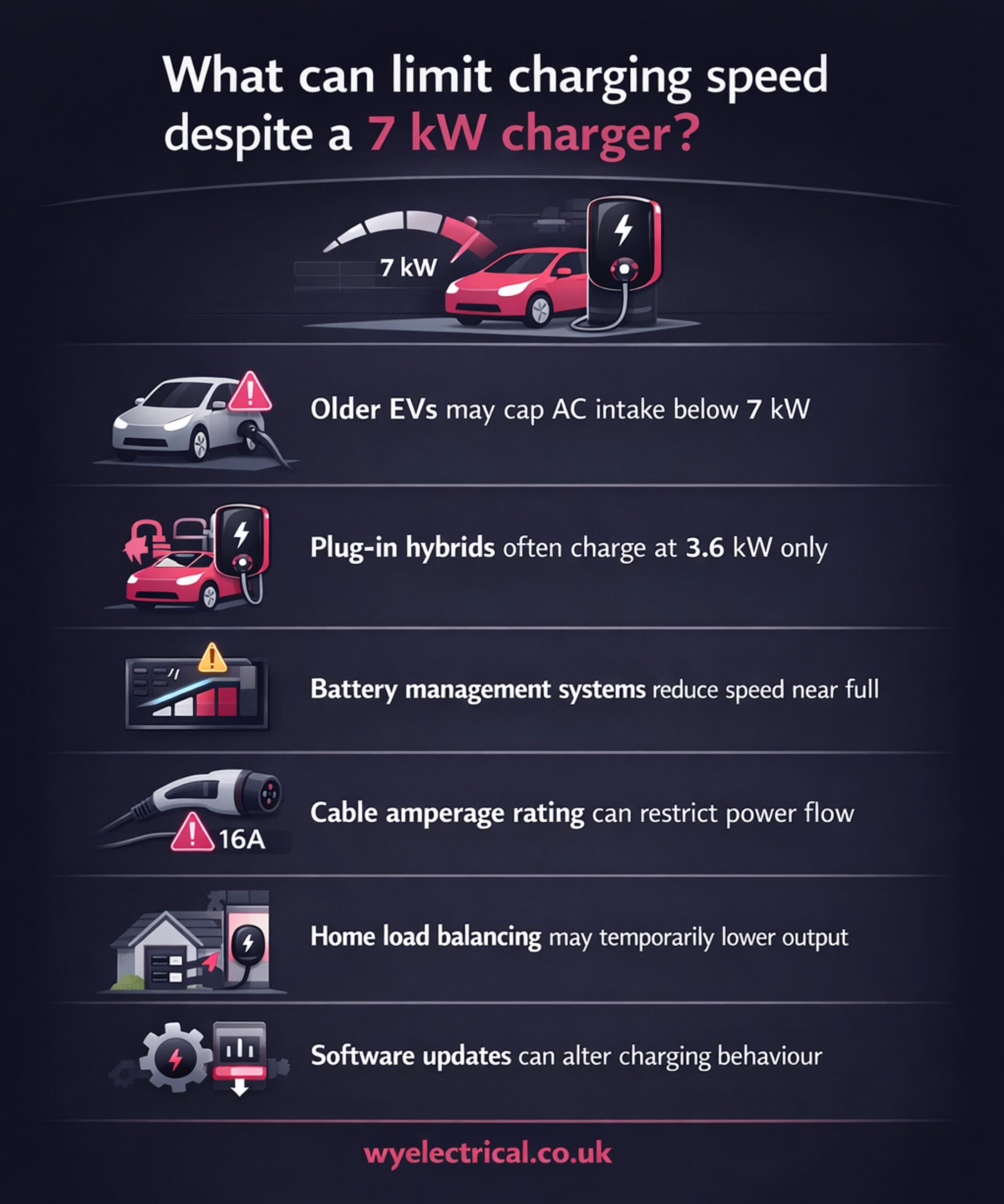
- Charger’s power rating sets the maximum output, with 7kW standard for most UK single-phase homes.
- The vehicle’s onboard AC charger limits how much power the battery can accept, meaning some cars draw less than 7kW even when available.
- Property’s electrical supply and consumer unit capacity must safely support the load without triggering protective devices or requiring upgrades.
Energy Saving Trust guidance on home EV charging confirms that a 7kW home charger adds approximately 25 to 30 miles of range per hour regardless of whether the cable attaches permanently or plugs in separately.
Type 2 connectors are now the UK standard for AC charging, ensuring wide compatibility. Untethered chargers offer flexibility when switching vehicles or accommodating multiple EVs.
The Electric Vehicles Smart Charge Points Regulations 2021 mandate that all new domestic chargepoints installed in England must include smart functionality, off-peak scheduling capability, demand-side response features, and randomised delay functions preventing grid spikes when many EVs charge simultaneously.
Safety and compliance standards apply equally to both options.
Convenience and Everyday Use
Beyond basic operation, everyday practicality depends on how your parking space and habits work in reality.
If parking position varies or space is tight, being able to choose cable length can make alignment easier. Some homeowners also prefer keeping charging equipment stored out of sight between uses, while others are comfortable with everything remaining mounted outside.
Over time, factors like exposure to weather and general wear can influence how tidy and well-maintained the setup looks.
In simple terms, the better option is the one that fits your parking layout and how organised you prefer your exterior space to feel.
Installation & Electrical Considerations
Both systems require suitable wall positioning and cable routing from the consumer unit to the charger location.
Electrical assessment confirms the property can support a 7kW load without unsafe overload.
Compliance with BS 7671 wiring standards includes correct earthing, RCD protection, and open PEN protection where required.
Installers registered with NICEIC or NAPIT notify work under Part P in England and Wales. No safety advantage exists between tethered and untethered units when installed correctly.
Cost Differences and Futureproofing
Typical UK home charger installation costs range from £900 to £1,200 including the unit and labour, with tethered units typically costing £50 to £150 more than equivalent untethered models because of the integrated cable.
This price difference is relatively minor when considered against the total installation cost and the charger’s expected 10 to 15 year lifespan.
SMMT EV registration data shows over 130 EV models now available in the UK market, with new models launching regularly.
This rapid market growth makes futureproofing considerations relevant, particularly when deciding whether the fixed cable on a tethered unit might limit compatibility with vehicles you purchase five or ten years from now.
As EV technology continues evolving, thinking beyond your current vehicle becomes part of the installation decision rather than an afterthought.
Which Is Best for Your Home?
The right choice depends on how your household actually uses its parking space and charging routine. Practical habits matter more than theory, especially when the charger becomes part of daily life.
Key considerations include:
- Parking position influences whether a fixed cable reaches comfortably or flexibility is needed
- Daily charging routines favour tethered convenience over repeated cable handling
- Multiple vehicles benefit from untethered sockets with interchangeable leads
- Plans to change your EV soon make broader compatibility more relevant
- Visual preferences affect whether a visible cable feels acceptable
- Rental or shared properties often suit untethered installations better
In straightforward terms, households charging one vehicle regularly often prefer tethered simplicity, while flexibility-focused homes usually find untethered setups more practical long term.
Conclusion
Tethered units offer simple plug-and-go charging, while untethered options adapt better to multiple or future vehicles. Performance remains identical. Match the choice to your parking layout and plans.
Contact us today for a free EV charger installation quote tailored to your home.
FAQs
Are tethered EV chargers better?
Neither option is objectively better. Tethered chargers offer greater convenience for daily use, whilst untethered chargers provide more flexibility for different vehicles. The best choice depends on your household situation rather than performance differences.
Can an untethered charger work with any EV?
Yes, untethered chargers with Type 2 sockets work with any EV using a Type 2 charging cable, covering the vast majority of electric vehicles sold in the UK since 2018.
Is a tethered charger faster than an untethered one?
No. Charging speed depends on the charger power rating (typically 7kW for homes), your vehicle’s onboard charger, and electrical supply capacity, not whether the cable attaches permanently or separately.
Is one safer than the other?
No safety difference exists between tethered and untethered chargers when both are professionally installed to BS 7671 standards by qualified electricians with proper certification.
Can I switch from tethered to untethered later?
Yes, but this typically requires replacing the entire wall unit rather than just swapping components, making the initial choice important for avoiding unnecessary replacement costs.
